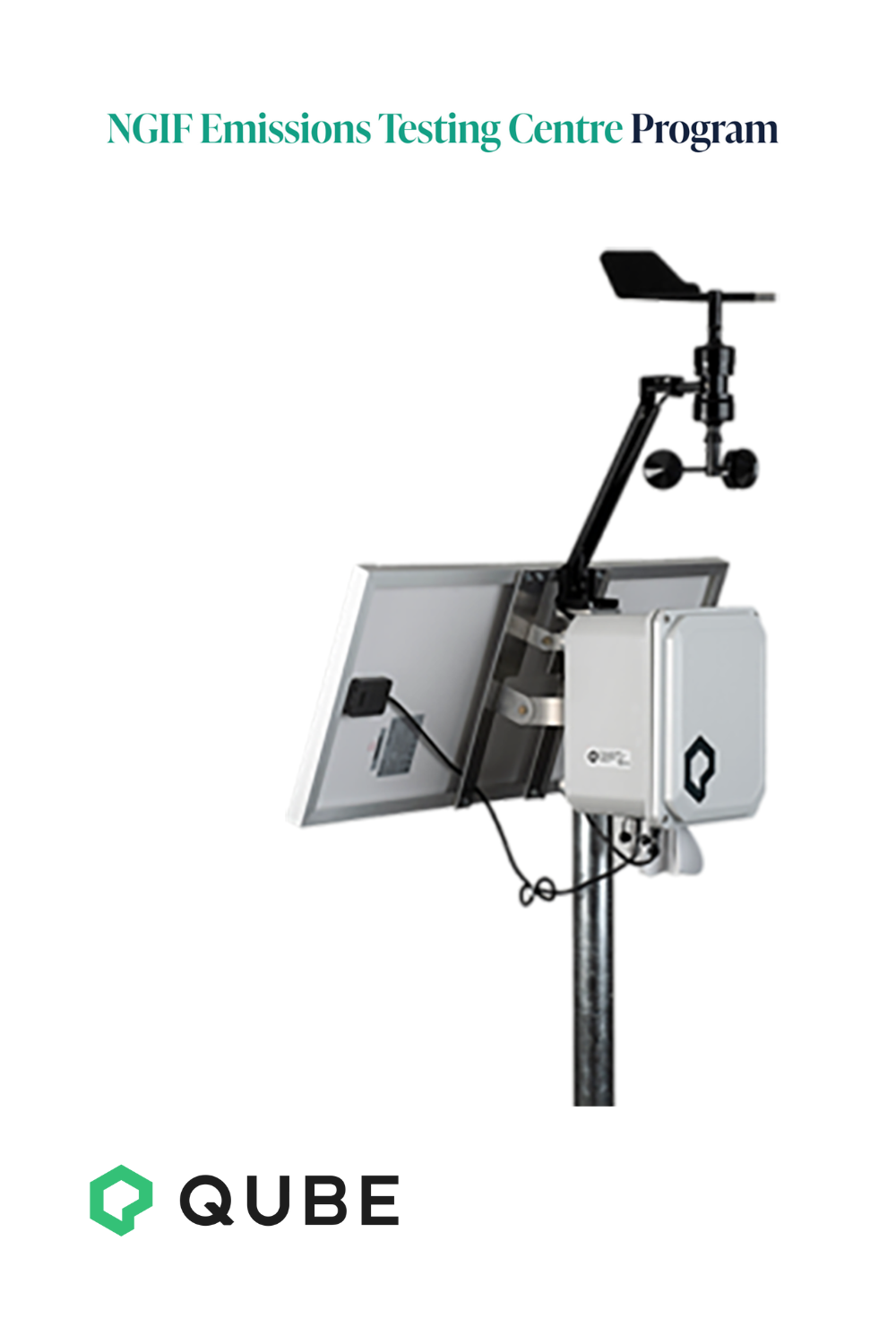
Qube has developed a low-cost environmental surveillance technology to continuously monitor for greenhouse gas emissions, including methane. Fixed sensors detect methane and other harmful gases in real-time to allow operators to effectively find and repair emission leaks. The fixed sensors are simple to install, are solar-powered, and transmit data directly to the cloud. Emission and environmental data are visualized on …
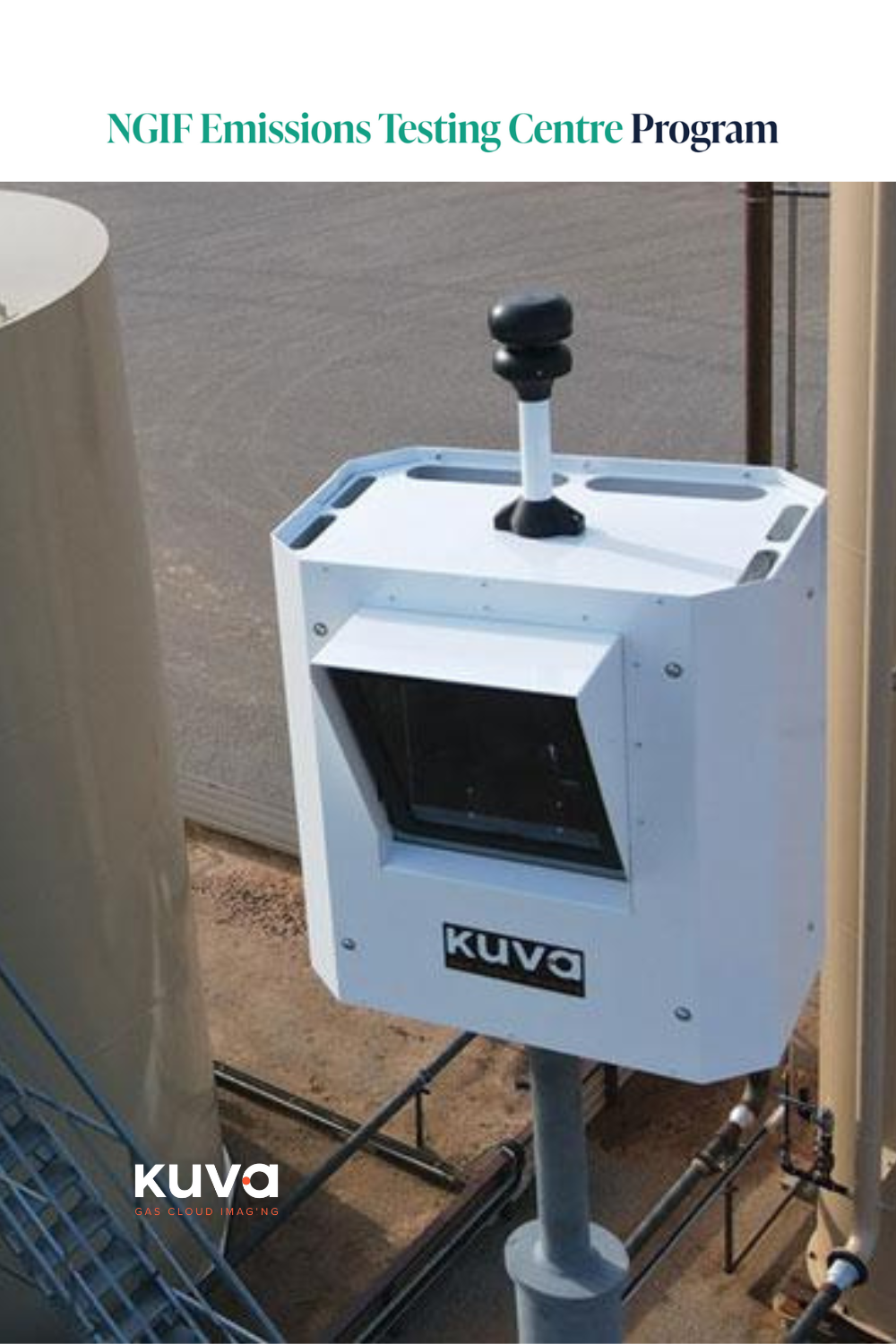
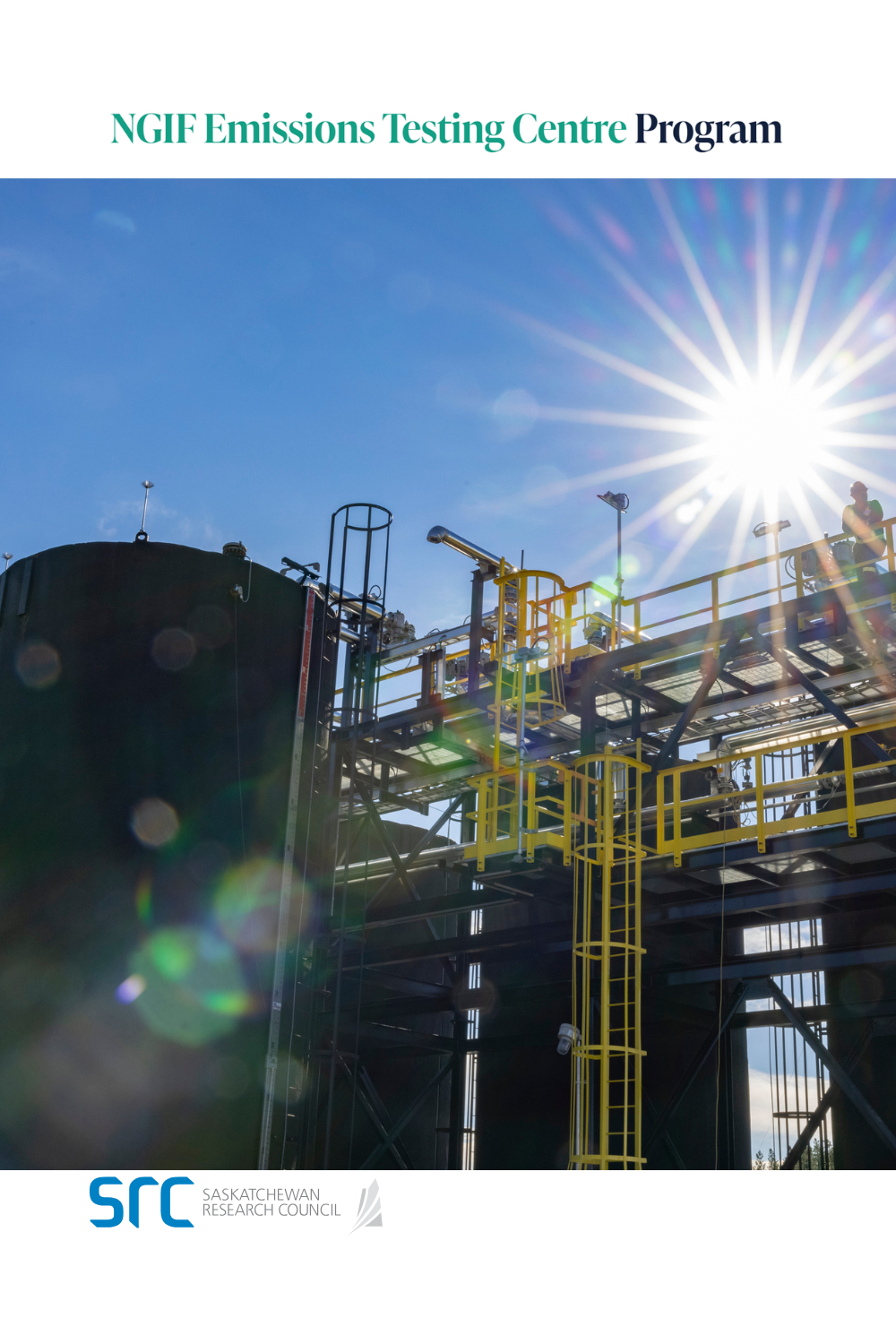
Field testing of a non-thermal short wave infrared light (SWIR) unit to detect emissions of hydrocarbon gases, and the ability to quantify emissions off hydrocarbon storage tanks.
The Kuva camera uses non-thermal short-wave infrared light (SWIR) to detect emissions of hydrocarbon gases. Kuva’s core technology includes the SWIR camera combined with a comprehensive end-to-end cloud solution for continuous leak detection and quantification of tank emissions.
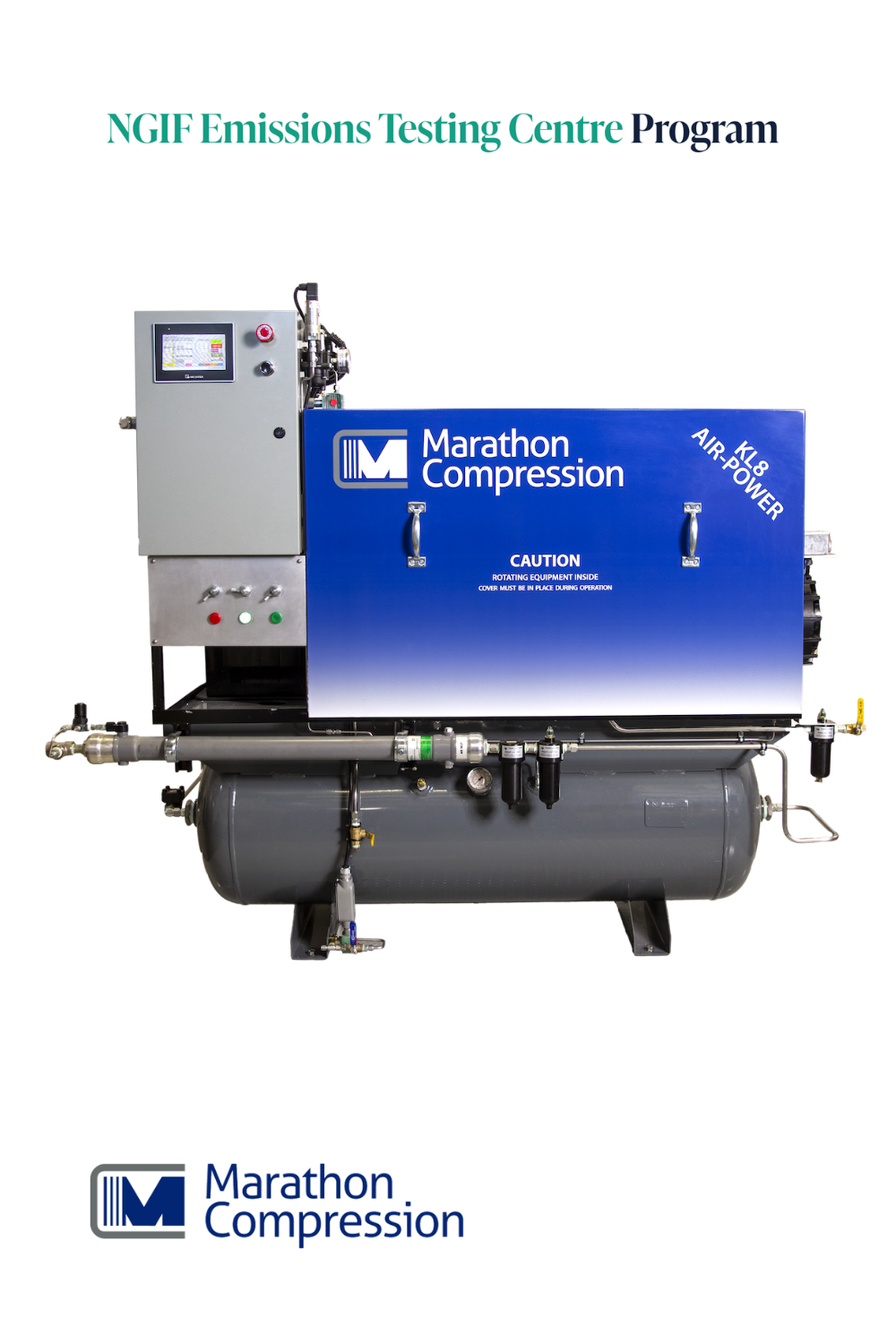
Field testing of the KL8 Air-Power unit (KL8) to evaluate the compressor’s reliability, emission reduction potential, and ability to operate using unprocessed fuel gas under field operating conditions.
To provide instrument air for pneumatic devices, Marathon’s KL-8 Air-Power unit adopts a unique 5kW natural gas internal combustion (IC) engine that is designed and used for micro-combined heat and power (CHP) systems. This CHP system is capable of over 40,000 hours of continuous service with 4,000-hour service intervals.
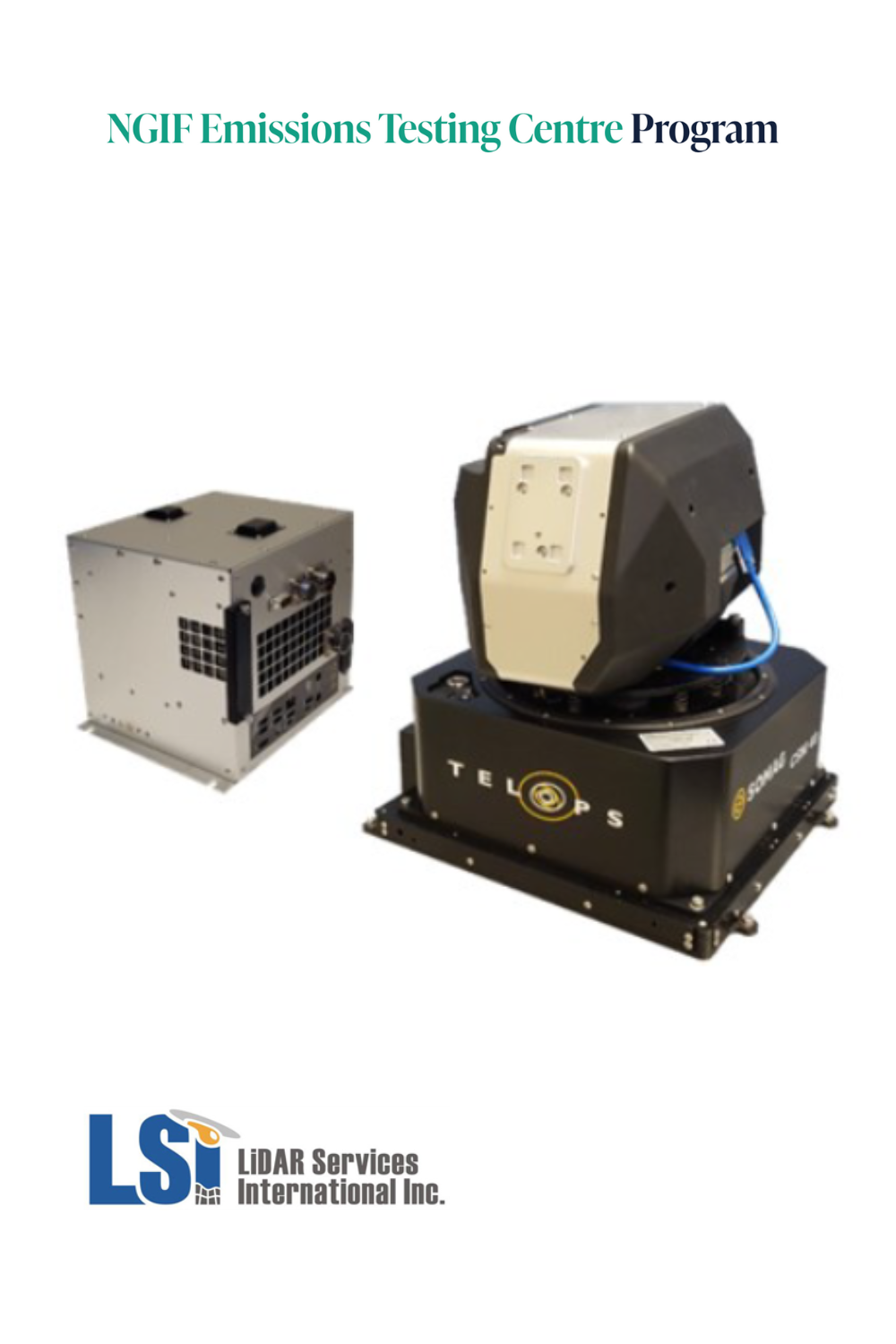
Testing of an aircraft-mounted thermal infrared hyperspectral imaging system for orthorectified, geo-referenced infrared gas detection images to quickly identify and quantify a gas leak.
LSI deploys a thermal infrared hyperspectral imaging system designed for use on a wide variety of manned and unmanned aerial platforms. The system produces orthorectified, geo-referenced infrared gas detection images to quickly identify and quantify a gas leak. The system has been field-tested over natural gas facilities in France (for GRTgaz) and is ready to be further tested over existing …
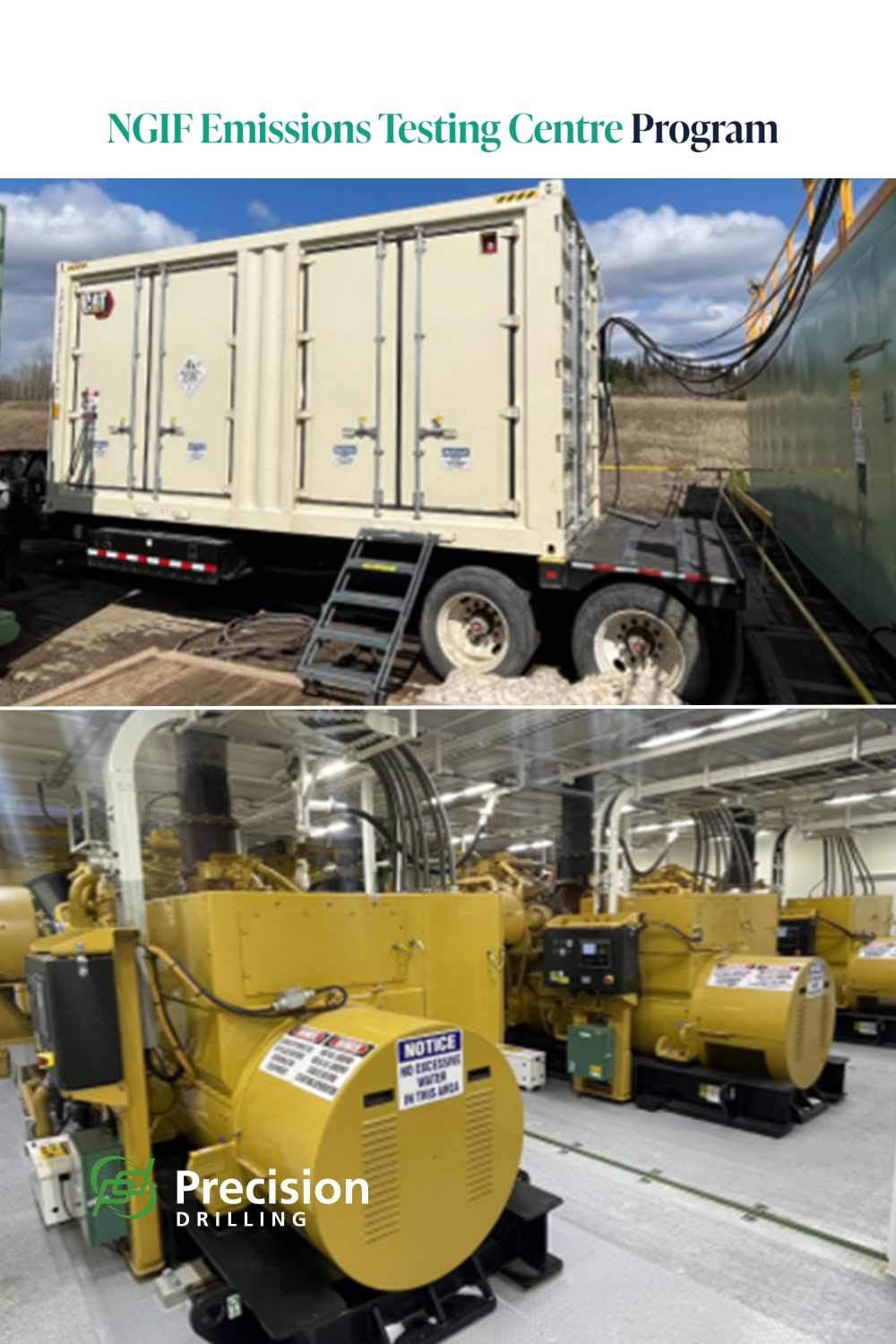
Evaluation of emissions from bi-fuel drilling rigs, from natural gas engine/battery hybrid systems, and from rigs operating with a Smart Engine Management System (SEMS).
Two of Precision Drilling’s rigs were upgraded in two phases, with phase 01 comprising an upgrade from conventional bi-fuel systems on three generators to the latest Dynamic Gas Blending® (DGB) systems. The DGB system was then paired with a Smart Engine Management System (SEMS), allowing automatic start and stop generators. Phase 02 included the addition of three Caterpillar lean burn …
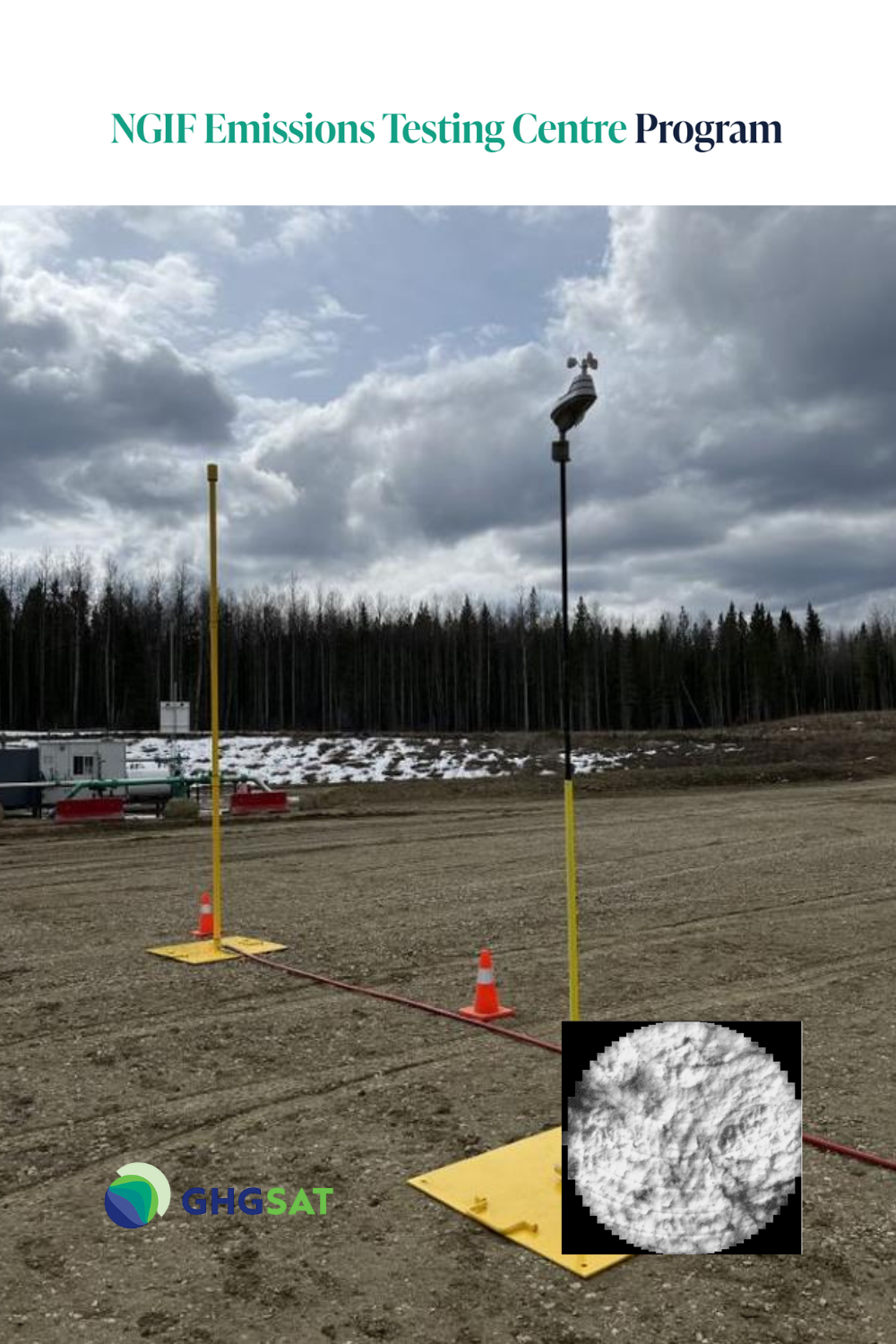
Satellite Detection of Controlled Releases
GHGSat launched its first methane detection satellite in 2016 and now has 12 satellites in orbit, including its first carbon dioxide detection satellite, launched in November 2023. Each satellite uses patented infrared detection technology. Detection thresholds have improved 10-fold since 2016 and are currently reported as being ~ 4,000 m3/day or 100 kg CH4/hr.
CanERIC: Scoping Study for a Clean Combustion Technology Showdown
The goal of this project is to gather information to vet and assess which incinerator and enclosed combustor technologies warrant testing, and under what scenarios, as part of a showdown. This scoping study includes a review of past work on clean combustion testing, undertaken both within and outside CanERIC. Furthermore, the project identifies the technological gaps and combustion units which …
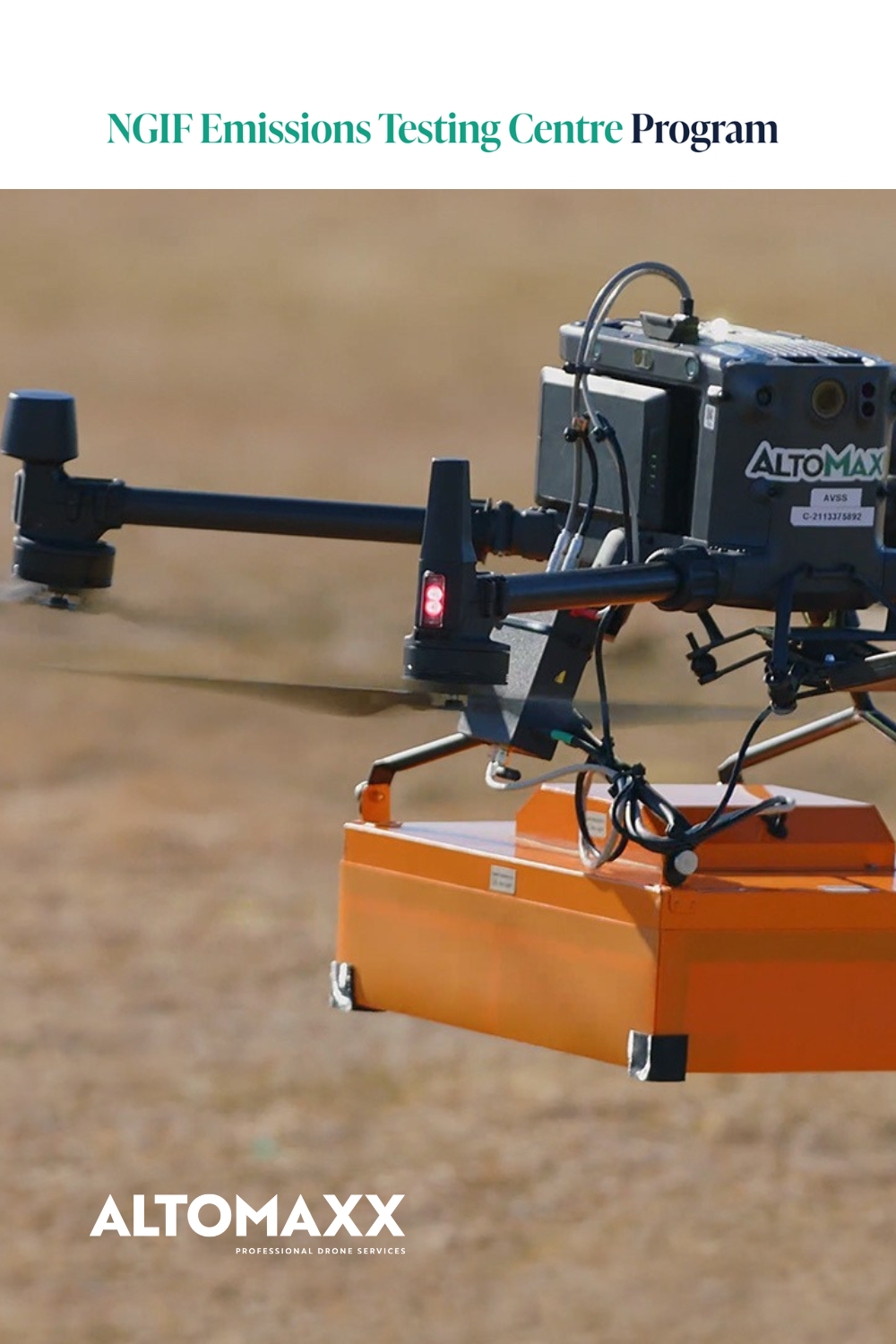
Field trial of a drone combined with a Tunable Diode Laser Absorption Spectroscopy (TDLAS) methane detector, to detect and locate methane release source points.
AltoMaxx drone expertise has been combined with a Tunable Diode Laser Absorption Spectroscopy (TDLAS) methane detector. The Lower Detection Limits (LDL) is 5 ppm-m. This allows users to fly over a site and determine the exact location of methane releases. AltoMaxx is developing capabilities to quantify methane releases with drone surveys using both TDLAS and OGI technologies.
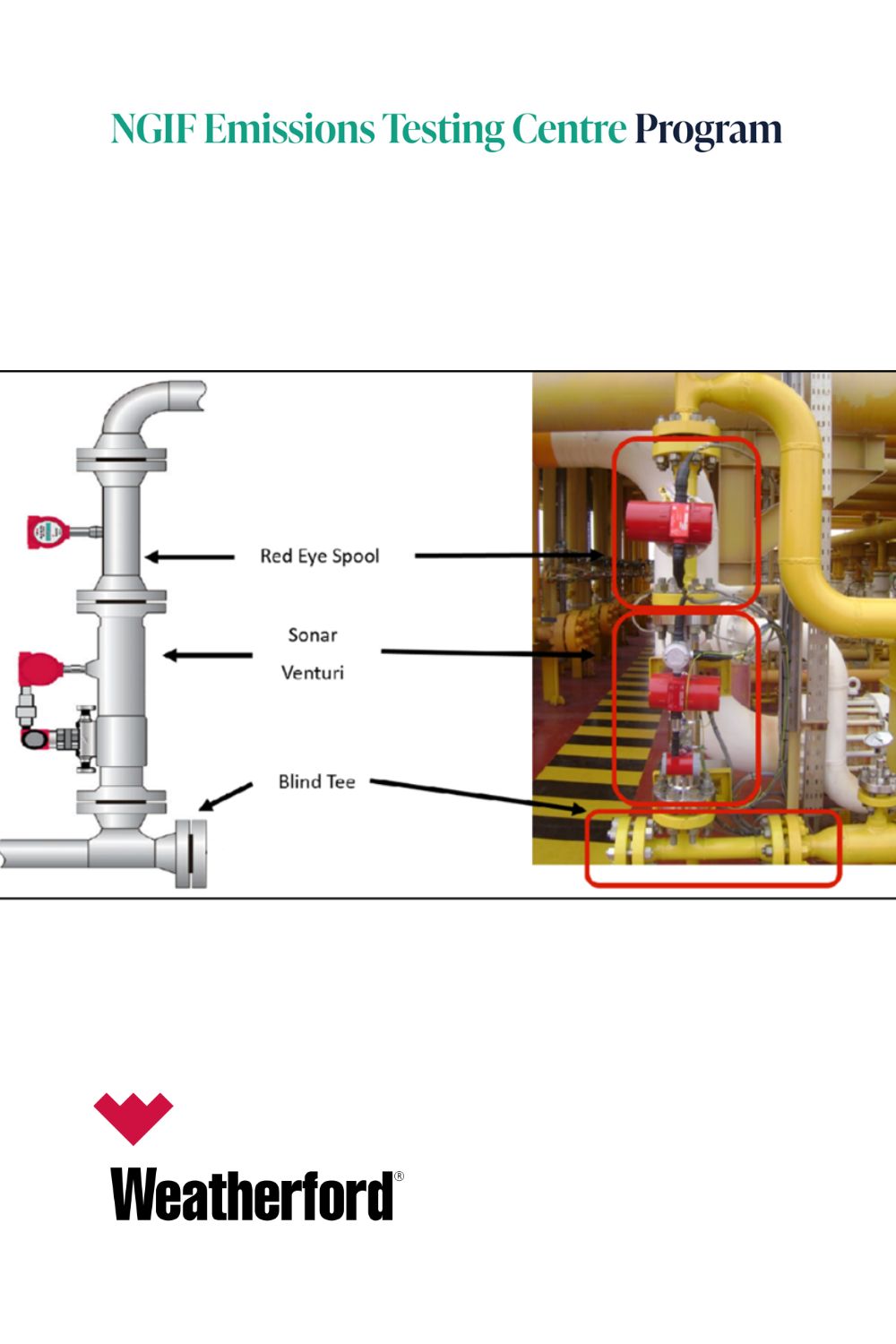
Field testing of the Weatherford ForeSite flow meter for measuring gas and liquid fractions, and water/condensate cut within the liquid.
Weatherford’s Foresite Flow multiphase flow meter will meter oil, gas, and water simultaneously, eliminating the need for 2 and 3-phase separators at oil and gas well sites and batteries. Separators typically have pneumatic devices for pressure and level control, and these devices can be a significant source of methane venting. Replacing separators with multiphase flow meters will significantly reduce methane …
Emissions Reduction – Completion Operations
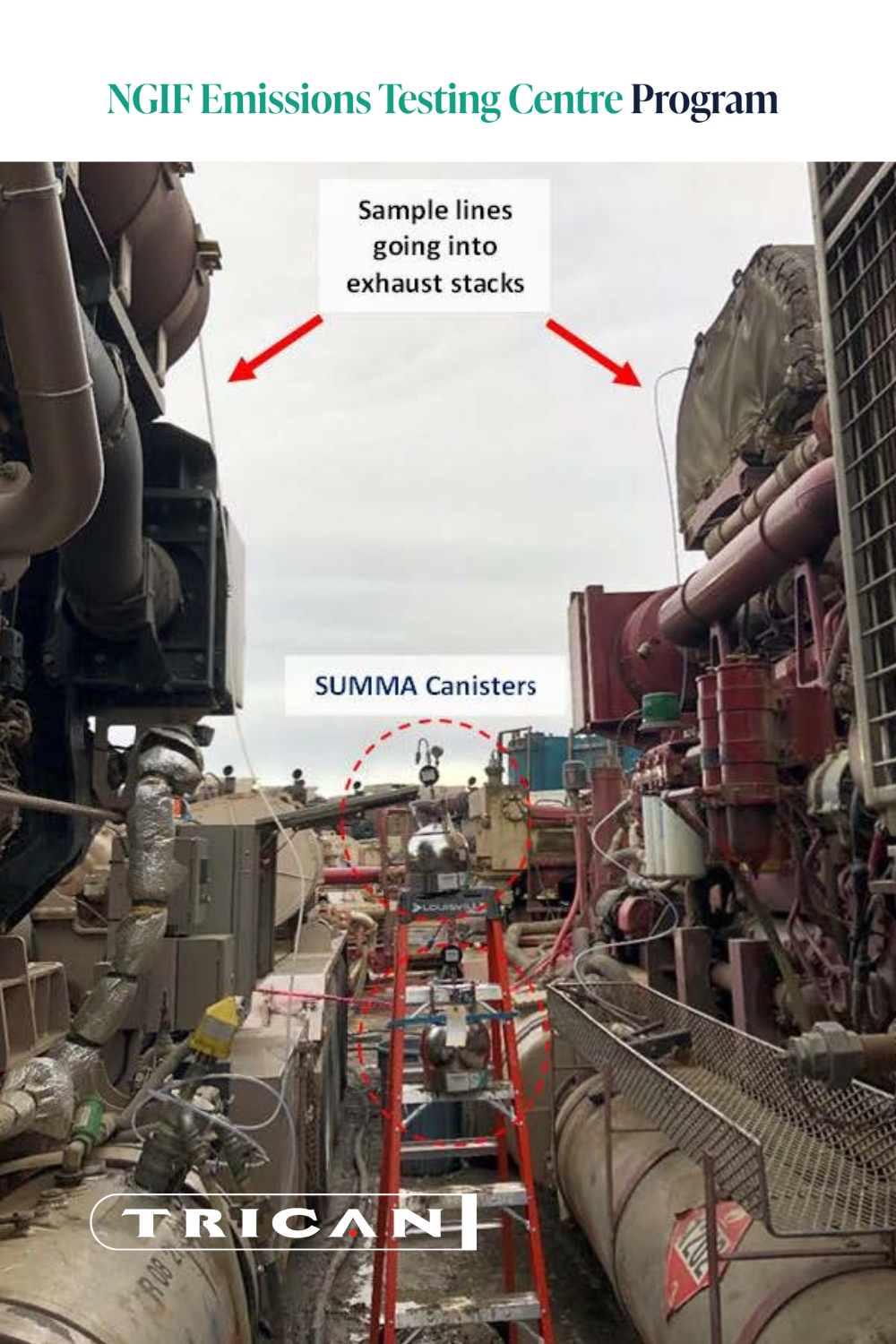
Field comparison of Caterpillar 3512C Tier 2 to Caterpillar 3512E Tier 4 engines in well fracking applications. Both engines are fueled by a combination of diesel and natural gas. The Tier 2 engine blends natural gas into the intake air and direct injection of diesel. Tier 4 engines inject natural gas directly into the intake port and direct injection of …