Battery warming solutions to provide power to electrically powered well site facilities

Blue Flamingo Support

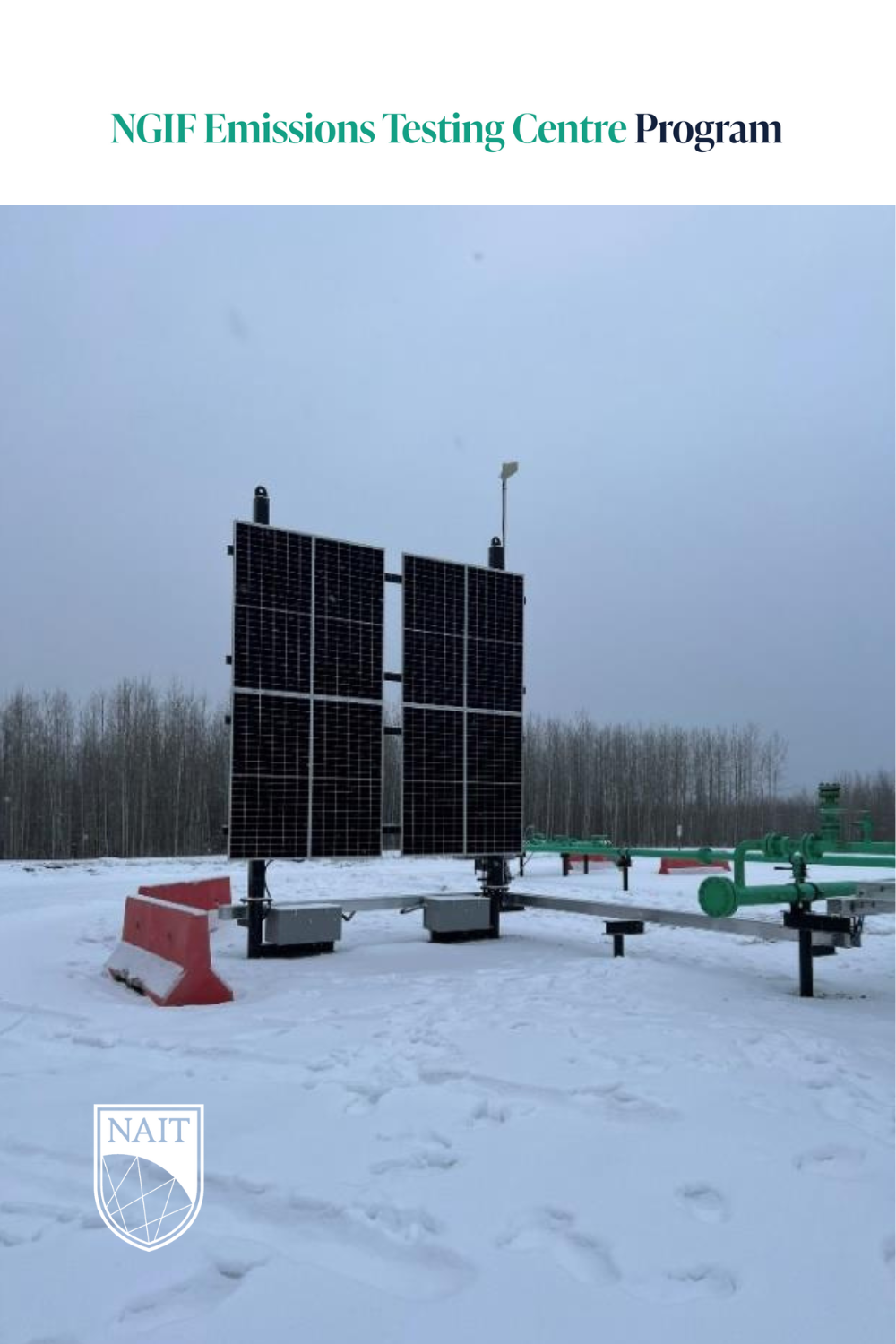
Electrically powered devices have been adopted as a replacement for gas-powered (pneumatic) devices at wellsites to reduce associated emissions. However, the batteries used to power these devices face challenges such as decreased efficiency in harsh, cold weather conditions. The NAIT capstone study was focused on finding a solution to keep the batteries within a suitable temperature range to maintain their …
Clean Combustion Technology Showdown Phase 2

Blue Flamingo Support

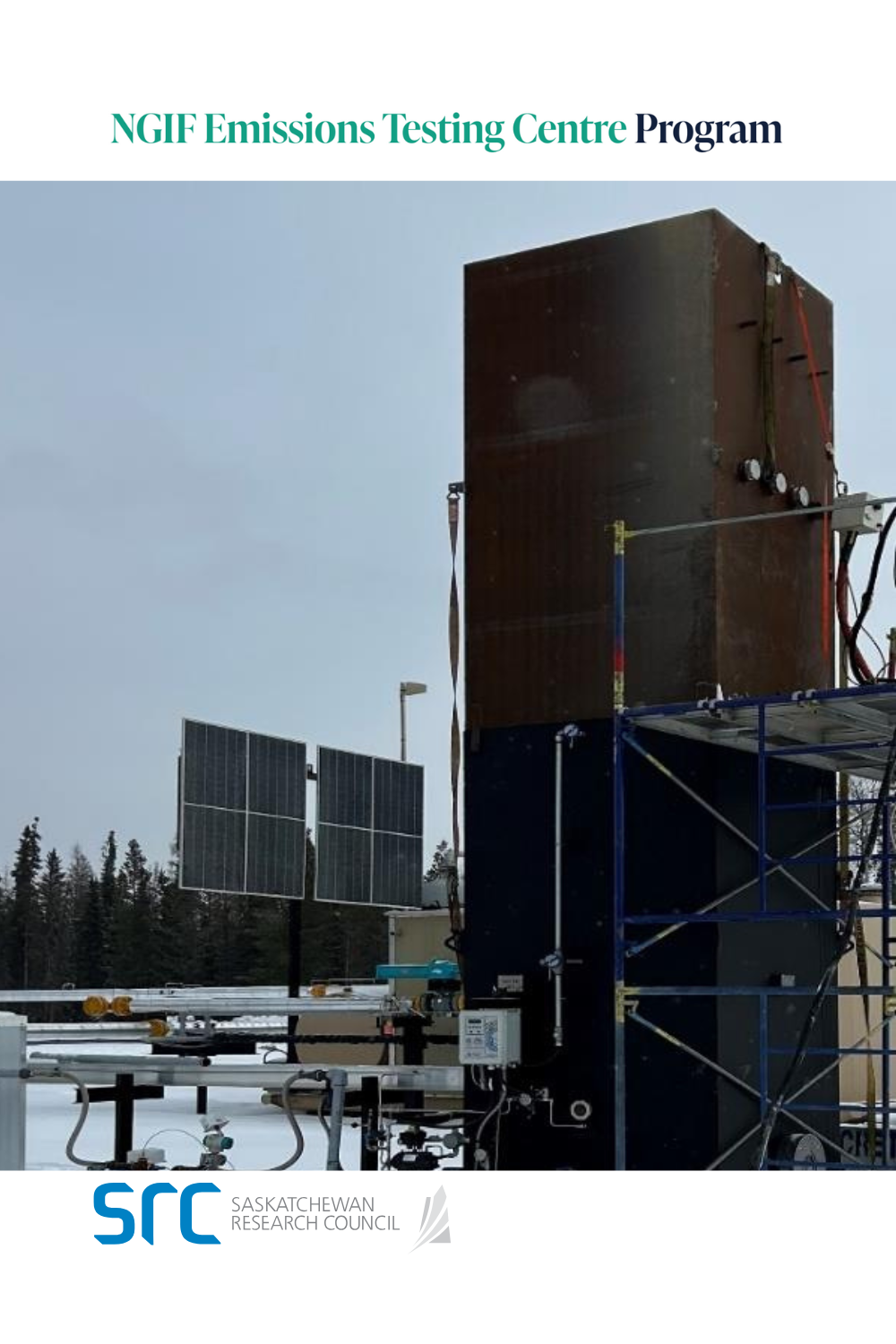
The Saskatchewan Research Council (SRC) completed a showdown of enclosed combustors installed in difficult methane mitigation applications. SRC visited three sites with existing enclosed combustors treating low-pressure, intermittent, tank and pneumatic vents, measured process parameters into and out of the units, determined their methane destruction efficiencies, and collected qualitative information on the installations.

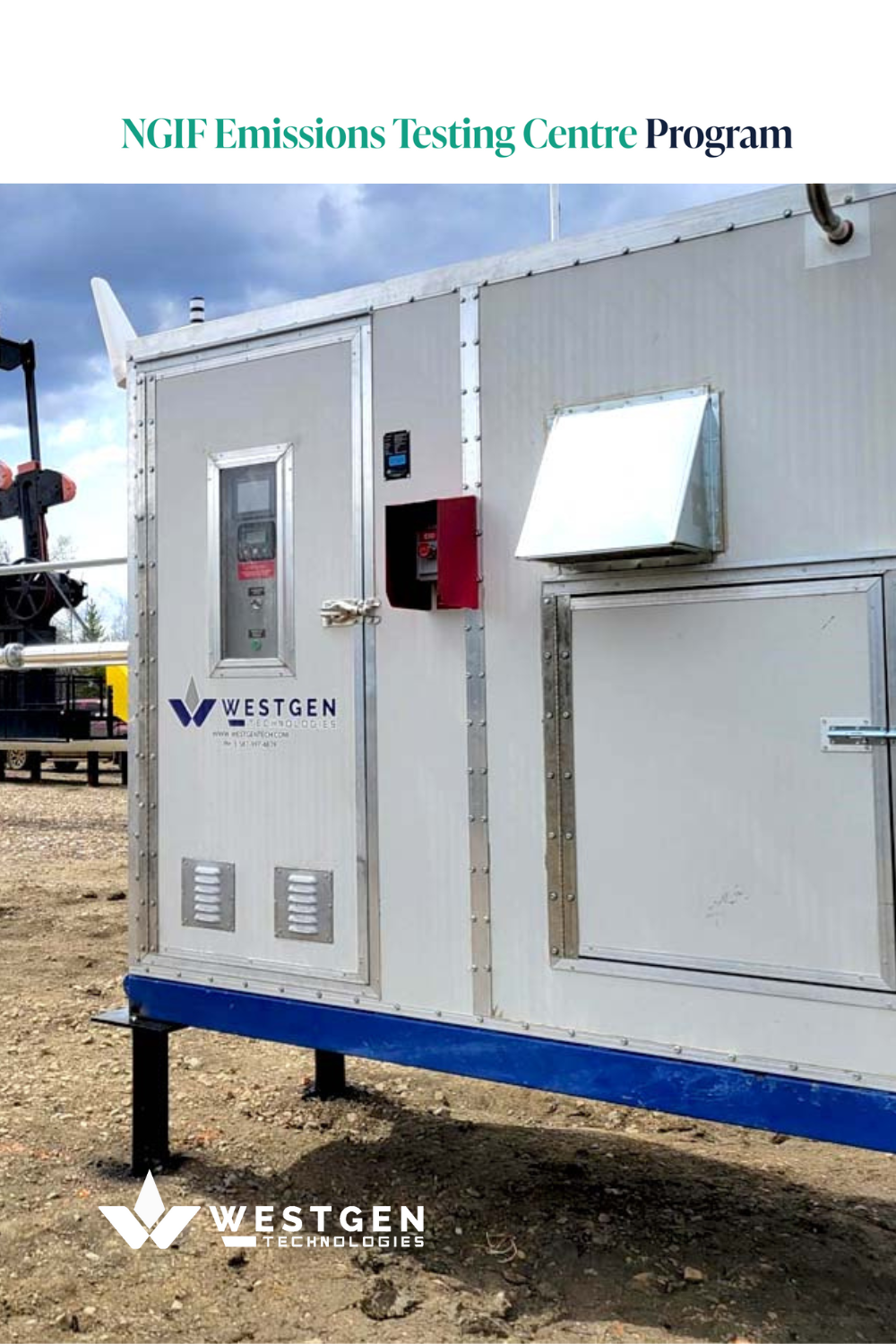
Field evaluation of an EPOD and an EPOD-mini, looking specifically at reliability, emission reduction potential, and ability to operate using unprocessed fuel gas under typical environmental extremes experienced of west-central Alberta.

Blue Flamingo Support

To provide instrument air for pneumatic devices, WestGen introduced EPOD solutions, an instrument air and power generation system with an optional solar hybrid and battery array for an uninterrupted power supply (UPS). The power generation systems of the EPOD adopt 6kW to 35kW industrial-grade generators with a custom-sized capacity of up to 150 kW of power and heat. The optional …

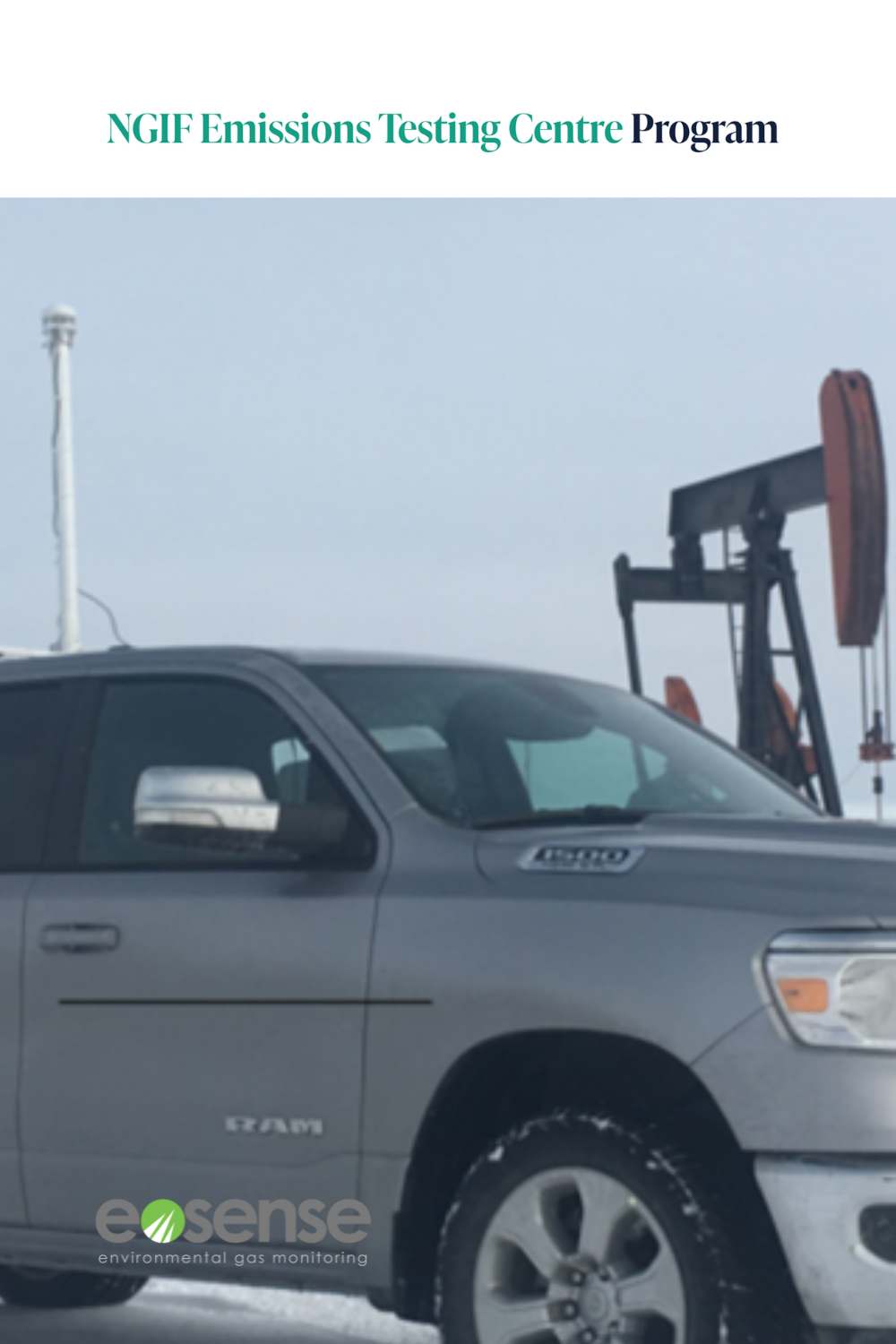
Field evaluation of the eosEM truck-mounted emissions monitoring system, and its potential for use on vehicles of opportunity that are visiting sites regularly.

Blue Flamingo Support

The Vertex-Eosense Truck-Mounted Methane Emissions Monitoring Project is an innovative approach to emissions monitoring. The concept is that the Eosense eosEM methane monitoring system would be mounted on a Vertex-operated liquids hauling transport truck. The eosEM sensor passively collects methane emissions data, while the Vertex truck routinely hauls liquids for Oil and Gas operators, including Tourmaline. In this fashion, site-level …

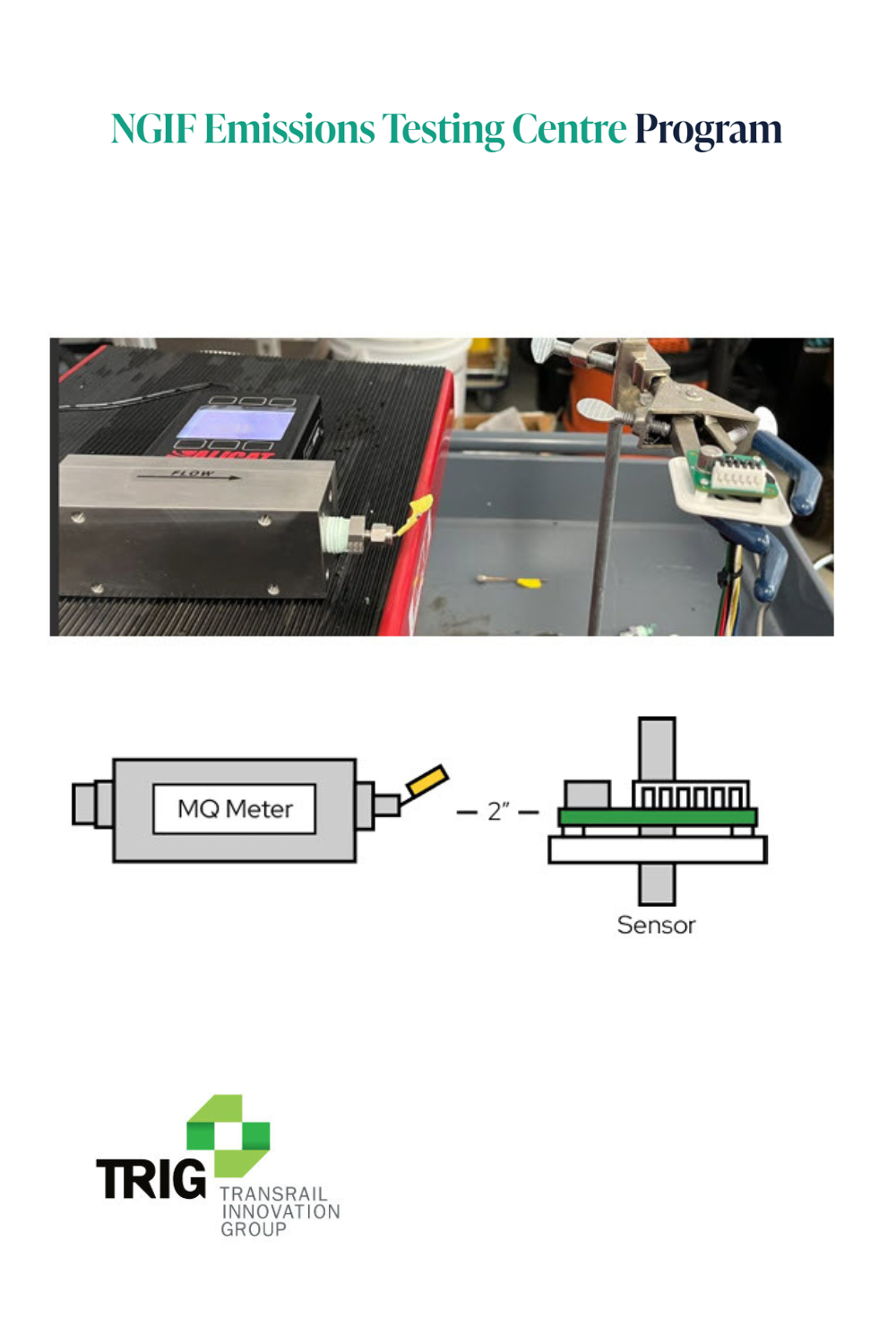
Laboratory test of a battery-powered, wireless sensor to enable detection of methane emissions at gas well sites.

Blue Flamingo Support

TRIG is developing low-power, small (localized) methane sensors for detecting larger emissions at the source (e.g., wellhead, pressure release valve, storage tank vent line). When these sensors are properly rated for safety and site access, TRIG will propose different mounting positions that will allow the detection of a significant process or equipment failure. Within the scope of the ETC, TRIG …

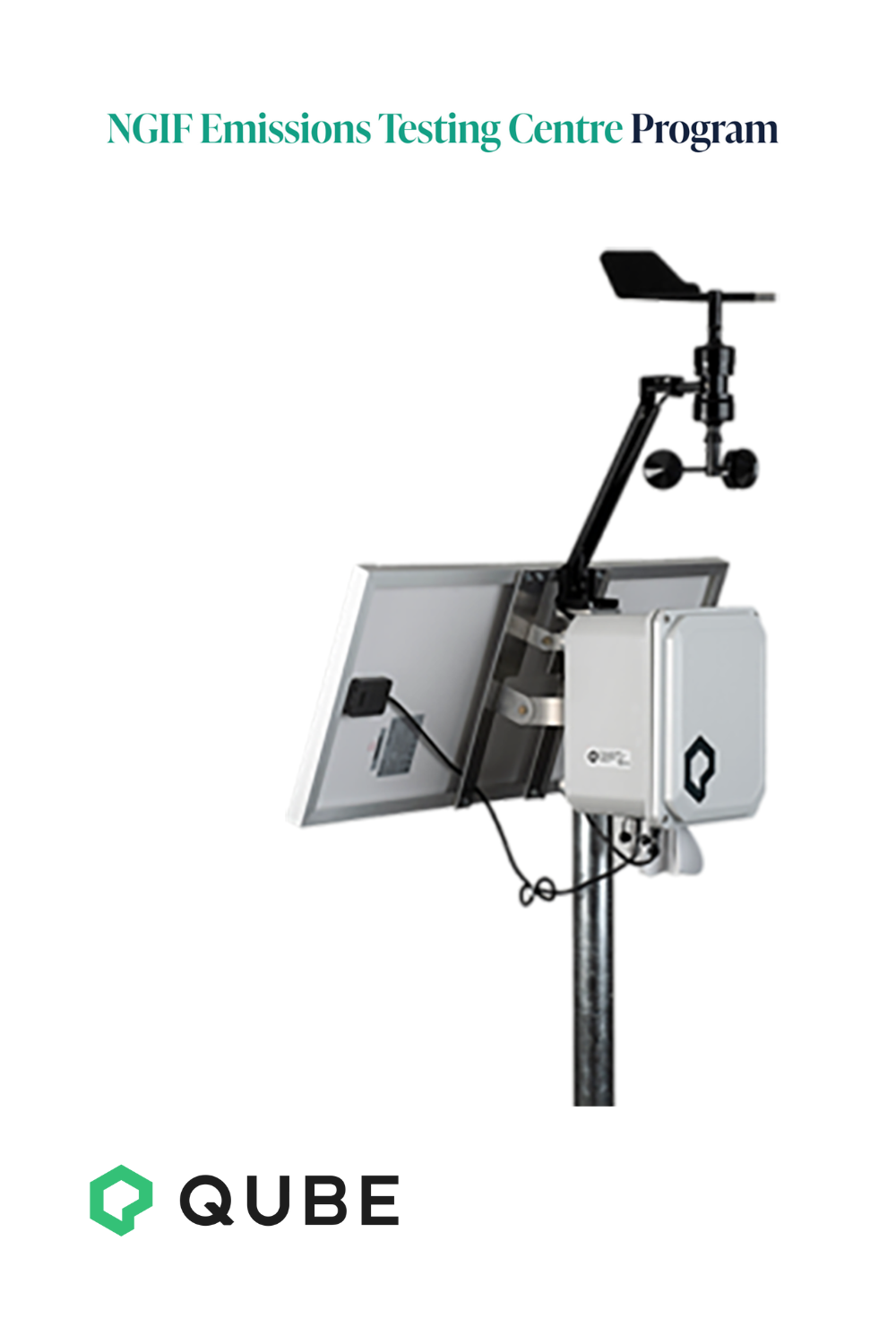
Field testing of a low-cost environmental surveillance technology to continuously monitor for greenhouse gas emissions.

Blue Flamingo Support

Qube has developed a low-cost environmental surveillance technology to continuously monitor for greenhouse gas emissions, including methane. Fixed sensors detect methane and other harmful gases in real-time to allow operators to effectively find and repair emission leaks. The fixed sensors are simple to install, are solar-powered, and transmit data directly to the cloud. Emission and environmental data are visualized on …

Lab testing of a handheld mobile ultrasonic methane sensor to be used for onsite monitoring of fugitive emissions. (Phase 2)

Blue Flamingo Support

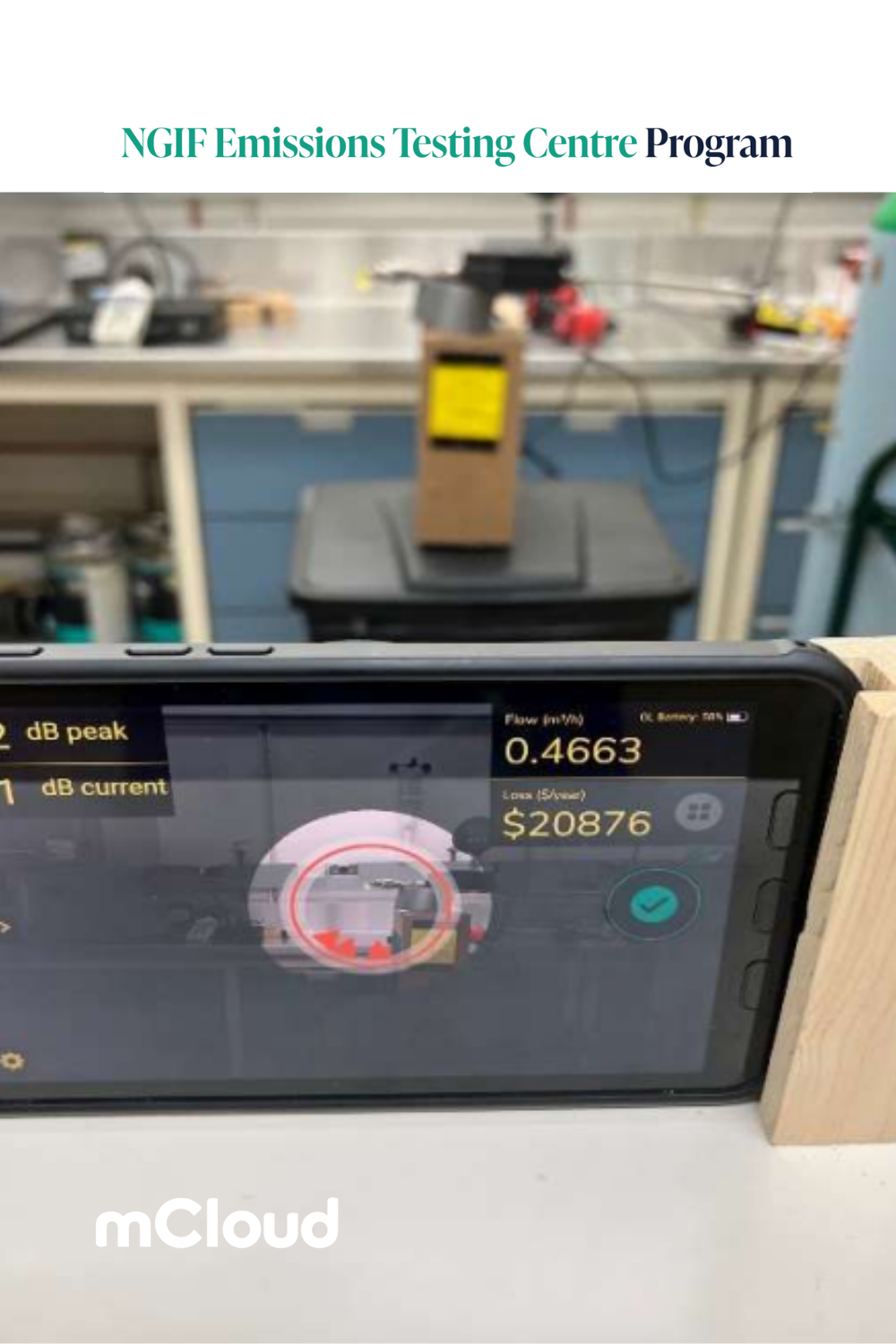
mCLoud AssetCare® integrates an operator’s existing data infrastructure to optimize assets including methane emissions. The concept is that mCLoud builds/integrates a site’s digital twin with leak detection tools to estimate methane emissions – when emissions are found, the source points are identified through AI algorithms and linked back to the digital twin of the facility, so site operators are given …

Lab study of methane adsorption from different activated carbon materials – application is to capture methane from tank or pipeline vent releases

Blue Flamingo Support

CH4NGEnergy’s proposed technology is focused on capturing vented gas and re-routing what would have been vented natural gas into a transportable vessel that is filled with adsorbent or activated carbon. Natural gas will be held in this state, and periodically these capture vessels will be transported offsite, where gas will be desorbed out of the tank and provided to a …

Field testing of a non-thermal short wave infrared light (SWIR) unit to detect emissions of hydrocarbon gases, and the ability to quantify emissions off hydrocarbon storage tanks.

Blue Flamingo Support

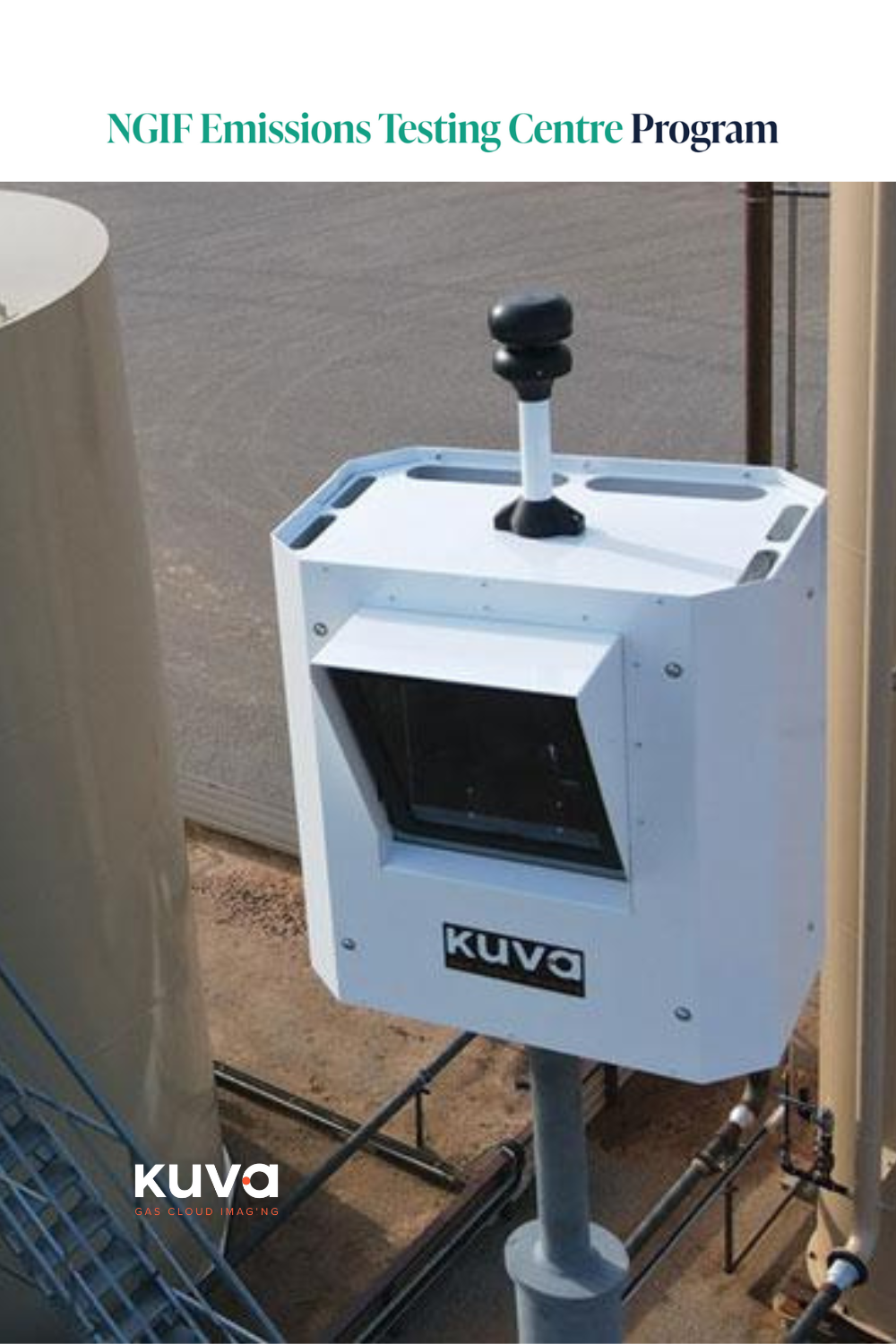
The Kuva camera uses non-thermal short-wave infrared light (SWIR) to detect emissions of hydrocarbon gases. Kuva’s core technology includes the SWIR camera combined with a comprehensive end-to-end cloud solution for continuous leak detection and quantification of tank emissions.

Shape memory alloy (SMA) tech testing to run an electric valve actuator to replace wellsite pneumatic vent devices (lab test Part 1)

Blue Flamingo Support

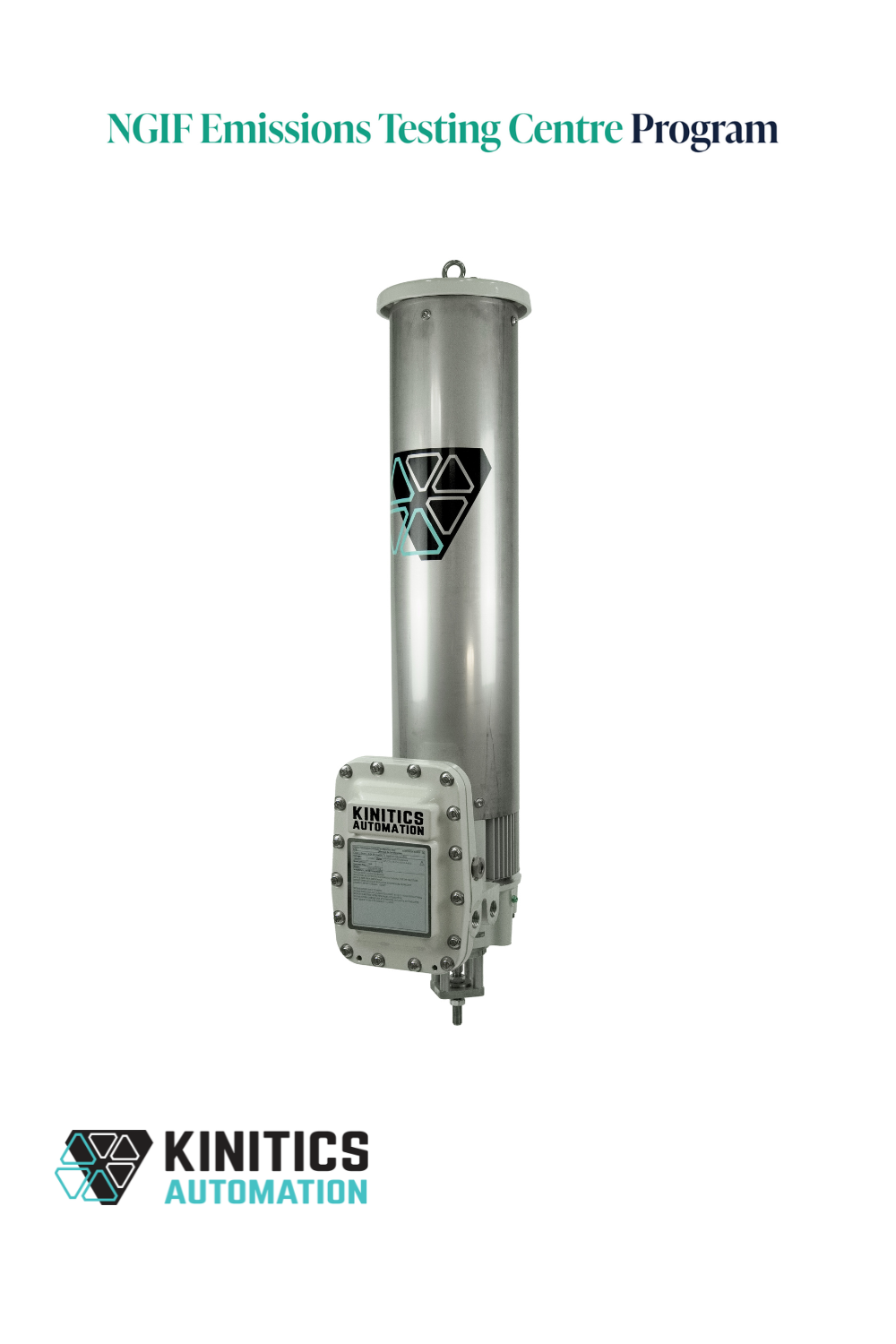
Kinitics is developing a valve actuator that uses shape memory alloy (SMA) to produce force and displacement. SMAs are materials that change shape with changes in temperature. In wire form, SMAs will contract when heated and return to its original length when cooled. The SMA wire can be heated by simply passing an electric current through it. The process is …

close-link
close-link
close-link
close-link
close-link
close-link
close-link
close-link
close-link
close-link
close-link
close-link
close-link
close-link
close-link
close-link
close-link
close-link
close-link
close-link
close-link
close-link
close-link
close-link
close-link
close-link
close-link
close-link
close-link
close-link
close-link
close-link
close-link
close-link
close-link
close-link
close-link
close-link
close-link
close-link
close-link
close-link
close-link
close-link
close-link
close-link
close-link
Trican
Frac pumpers are large fuel consumers that emit large amounts of greenhouse gases into the atmosphere. Current fracturing equipment in Alberta is typically powered by diesel-based or bi-fuel (diesel & natural gas) bolt-on kit (Tier 2) engines. Trican’s Caterpillar Tier 4 Dynamic Gas Blending engine proposes to displace up to 85% of diesel with natural gas. The goal of field testing at ETC is to understand the performance of the Tier 4 Engines during operations in Canada. This includes, but is not limited to, diesel displacement performance during seasonal conditions, validation of the low emissions fracturing spread, and emissions performance compared to diesel and Tier 2 enginess.
close-link
close-link
close-link
close-link
close-link
close-link
close-link
close-link
close-link
close-link