This report documents the testing of the EmMea Adaptive Green House Gas (GHG) Emissions Mass Flow Meter™ at the NGIF Emissions Testing Centre Program Laboratory host, University of Calgary. The primary objective was to evaluate the meter’s ability to accurately detect and quantify methane concentrations and emission rates within a controlled laboratory setting. The testing process subjected the EmMea Meter …
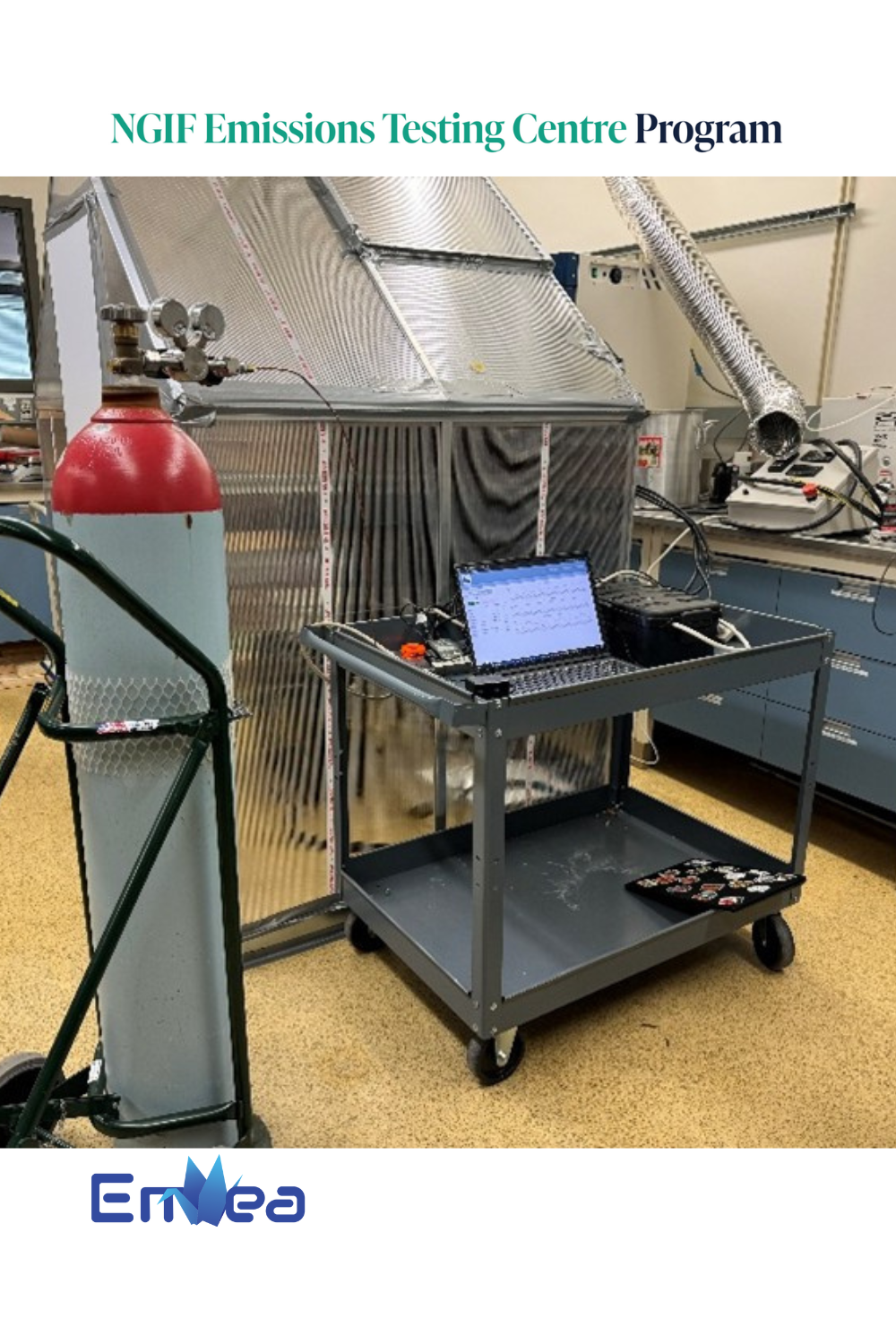
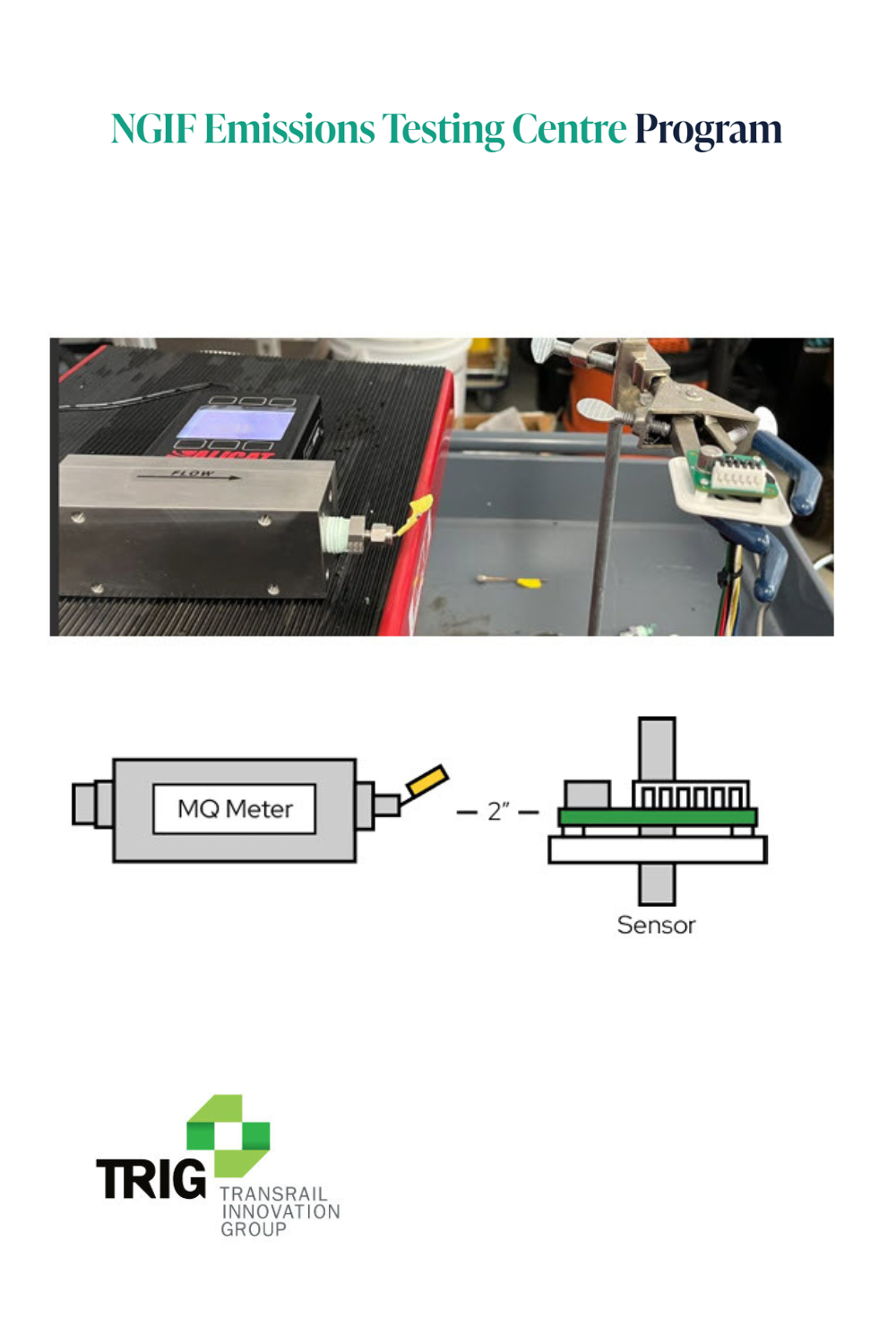
Laboratory test of a battery-powered, wireless sensor to enable detection of methane emissions at gas well sites.
TRIG is developing low-power, small (localized) methane sensors for detecting larger emissions at the source (e.g., wellhead, pressure release valve, storage tank vent line). When these sensors are properly rated for safety and site access, TRIG will propose different mounting positions that will allow the detection of a significant process or equipment failure. Within the scope of the ETC, TRIG …
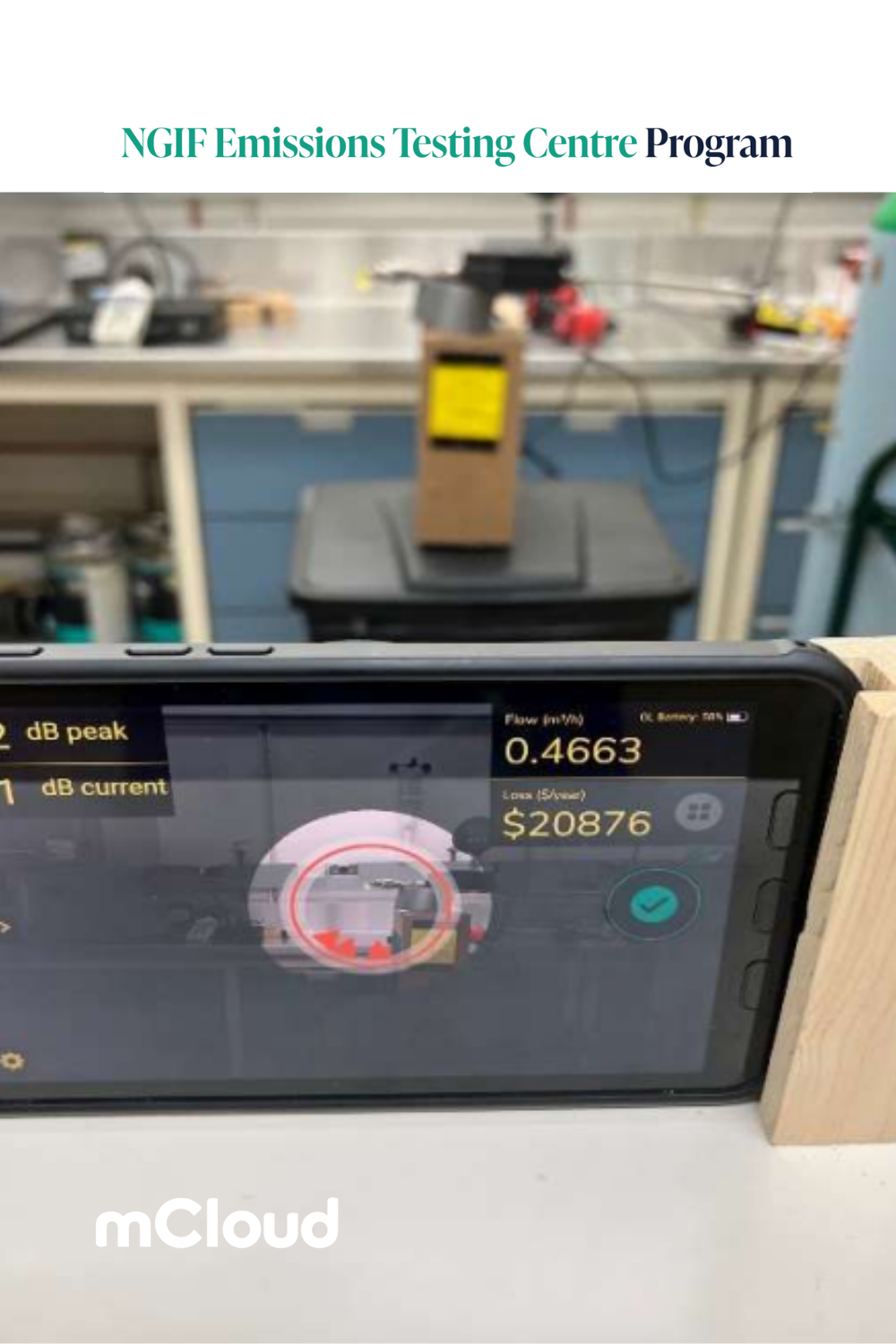
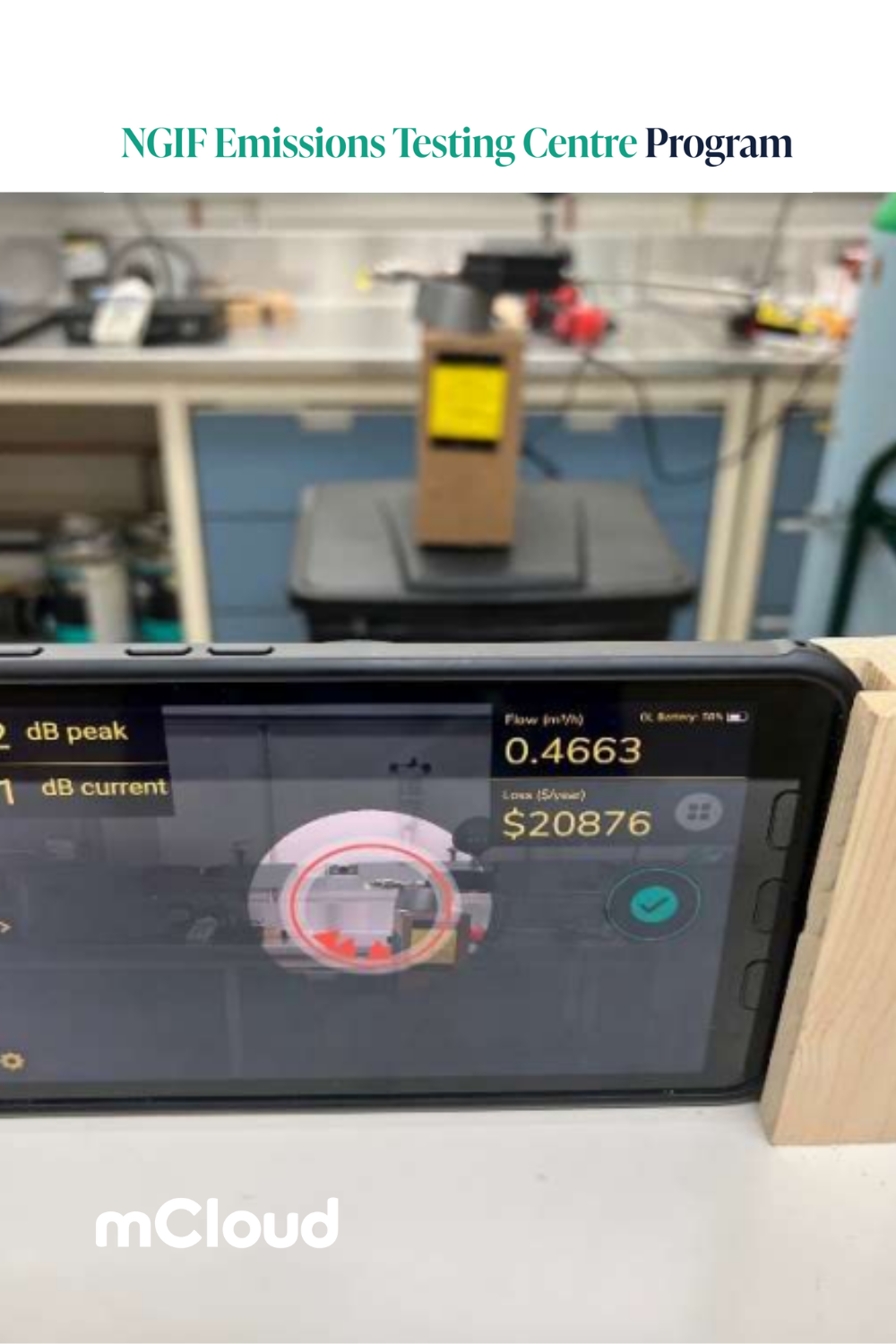
Lab testing of a handheld mobile ultrasonic methane sensor to be used for onsite monitoring of fugitive emissions. (Phase 2)
mCLoud AssetCare® integrates an operator’s existing data infrastructure to optimize assets including methane emissions. The concept is that mCLoud builds/integrates a site’s digital twin with leak detection tools to estimate methane emissions – when emissions are found, the source points are identified through AI algorithms and linked back to the digital twin of the facility, so site operators are given …
Lab study of methane adsorption from different activated carbon materials – application is to capture methane from tank or pipeline vent releases
CH4NGEnergy’s proposed technology is focused on capturing vented gas and re-routing what would have been vented natural gas into a transportable vessel that is filled with adsorbent or activated carbon. Natural gas will be held in this state, and periodically these capture vessels will be transported offsite, where gas will be desorbed out of the tank and provided to a …
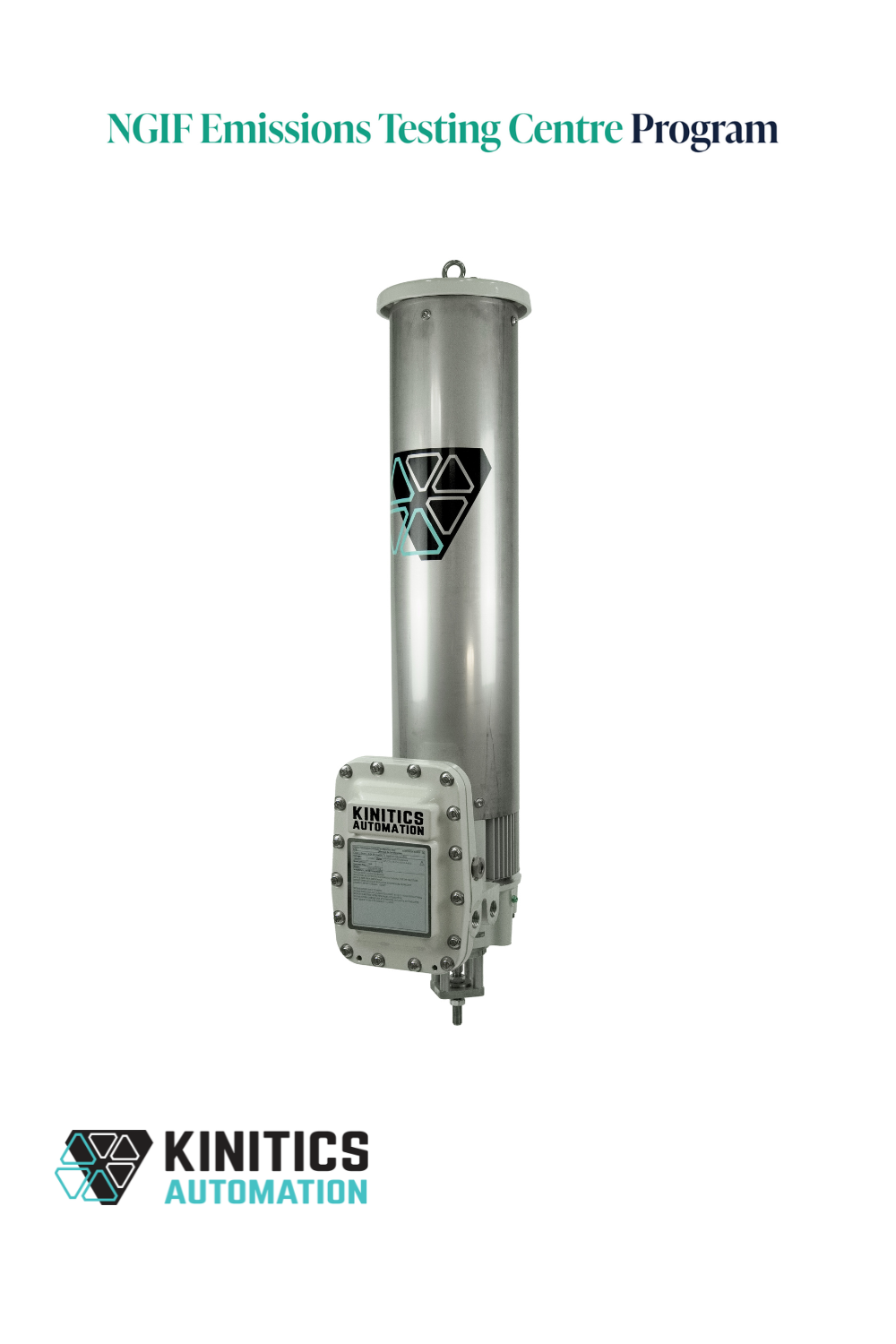
Shape memory alloy (SMA) tech testing to run an electric valve actuator to replace wellsite pneumatic vent devices (lab test Part 1)
Kinitics is developing a valve actuator that uses shape memory alloy (SMA) to produce force and displacement. SMAs are materials that change shape with changes in temperature. In wire form, SMAs will contract when heated and return to its original length when cooled. The SMA wire can be heated by simply passing an electric current through it. The process is …
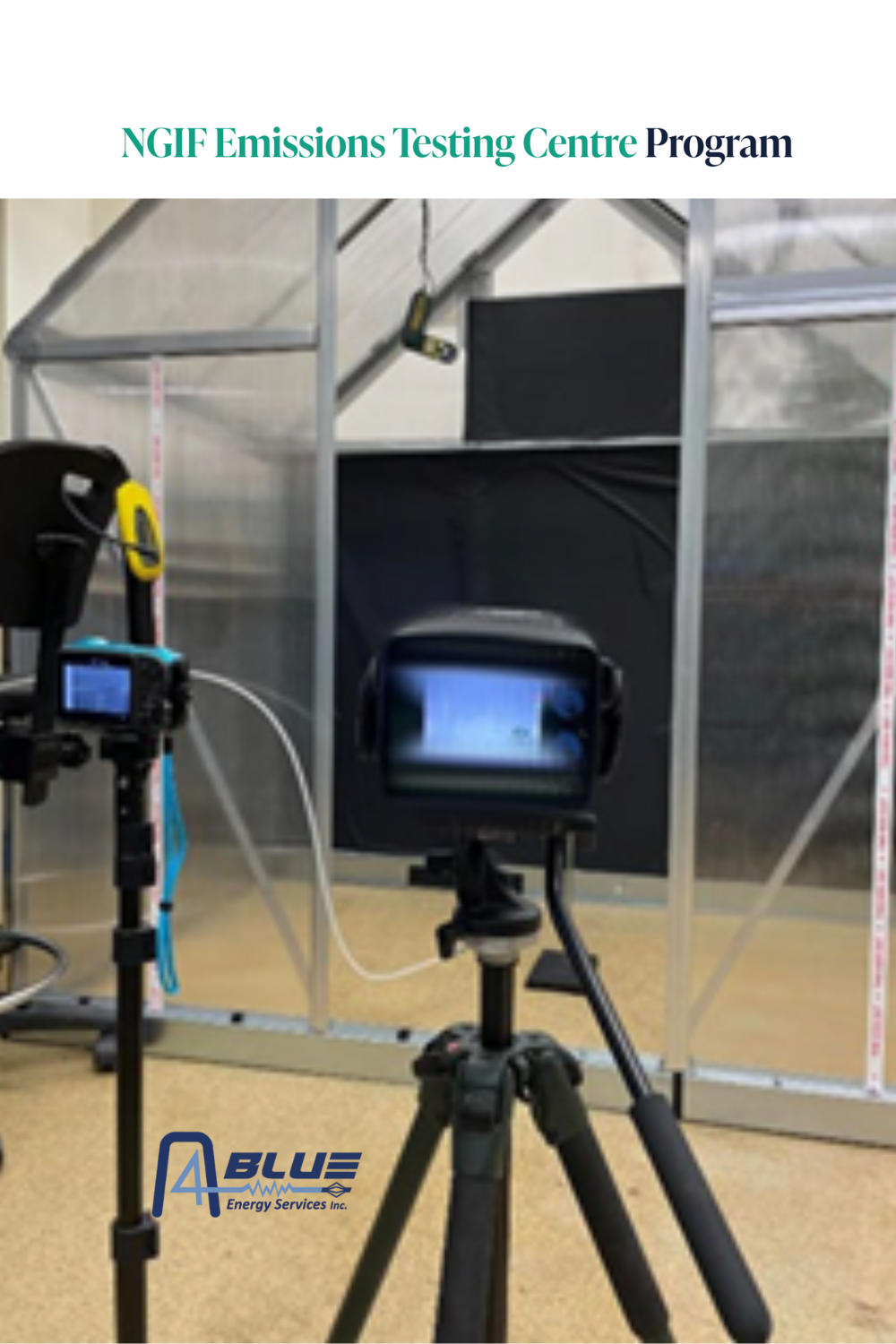
Laboratory Testing of Stripped Own OGI Camera for Emissions Monitoring
4Blue is developing an AI-powered, cloud-based platform that will be coupled with inexpensive gas imaging cameras installed at the perimeter of an oil and gas facility to monitor, detect, quantify, analyze, and monetize GHG emissions. Their proposed solution couples both hardware (stripped down, inexpensive OGI) and software (AI-based quantification algorithms).
Lab testing of a handheld mobile ultrasonic methane sensor to be used for onsite monitoring of fugitive emissions. (Phase 1)
mCLoud AssetCare® integrates an operator’s existing data infrastructure to optimize assets including methane emissions. The concept is that mCLoud builds/integrates a site’s digital twin with leak detection tools to estimate methane emissions – when emissions are found, the source points are identified through AI algorithms and linked back to the digital twin of the facility, so site operators are given …
Laboratory testing of a portable multi-cylinder, battery powered, efficient compressor.
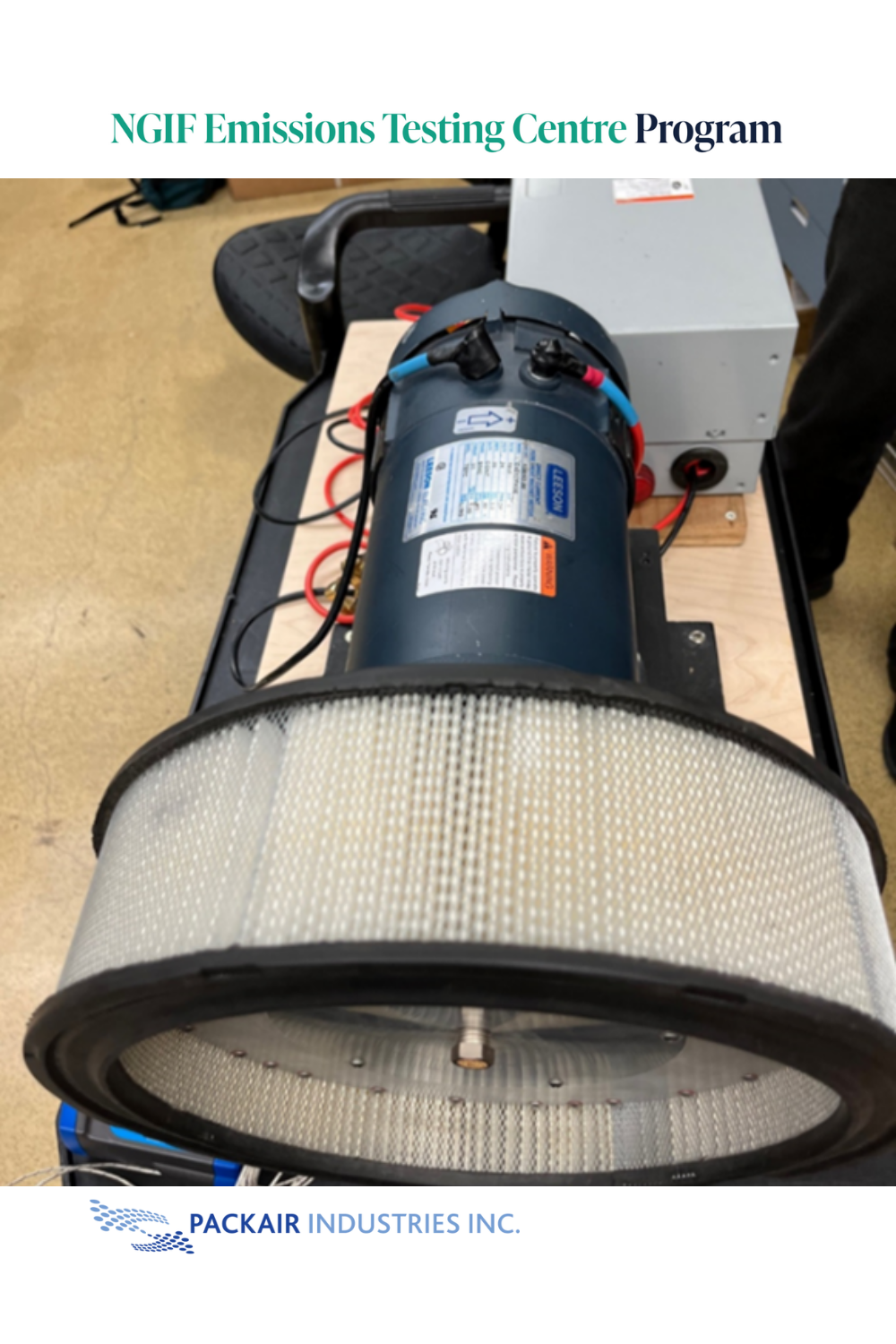
Packair has developed a portable multi-cylinder, battery-powered, efficient compressor that runs cooler than traditional units. This system is designed to be cost-effective, requires low power to operate, and is suitable for hazardous environments when matched with an appropriate motor. Compressed air can replace natural gas in pneumatic devices, thus eliminating methane venting. Figure 17 is an image of the small …