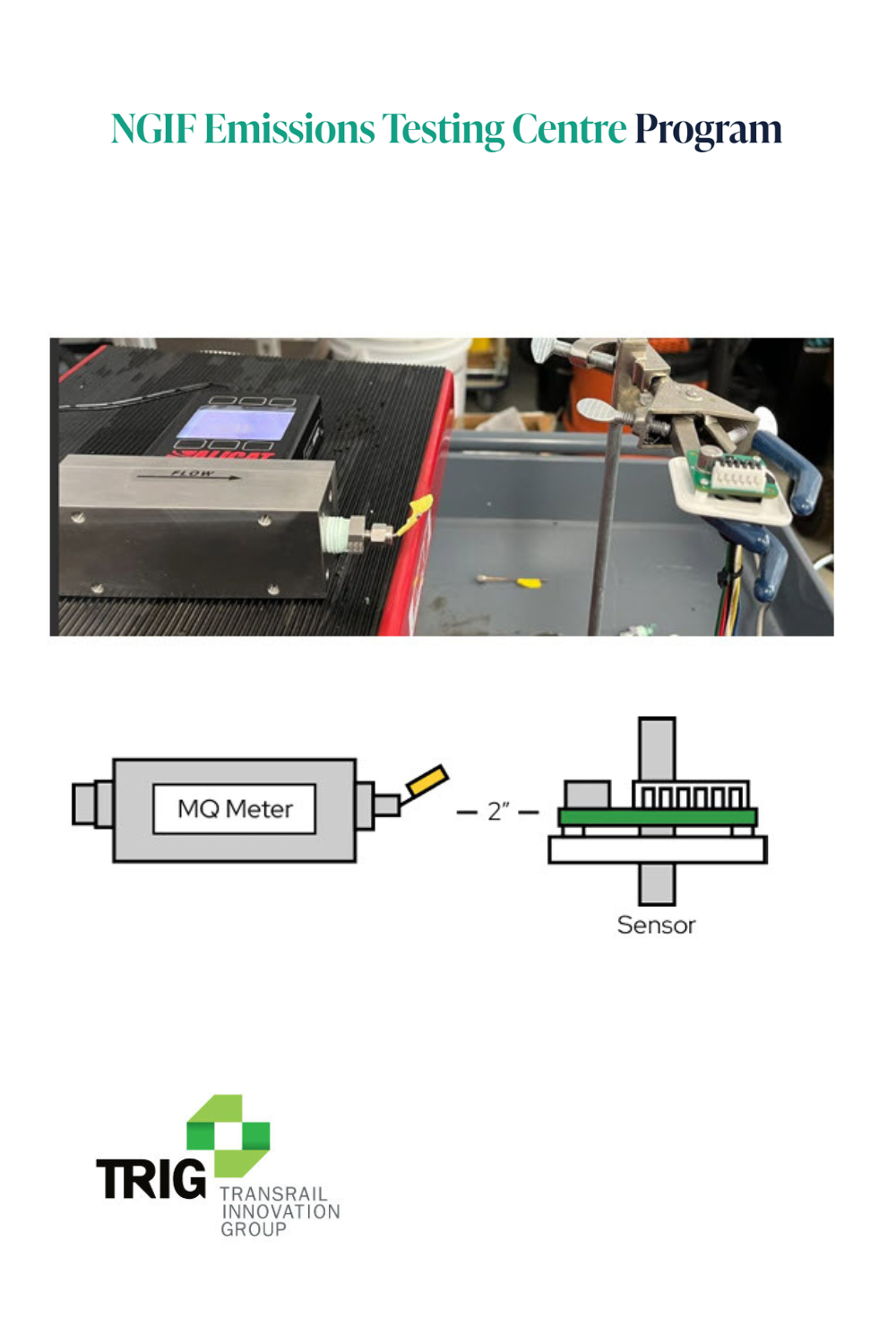
Laboratory test of a battery-powered, wireless sensor to enable detection of methane emissions at gas well sites.

Blue Flamingo Support

TRIG is developing low-power, small (localized) methane sensors for detecting larger emissions at the source (e.g., wellhead, pressure release valve, storage tank vent line). When these sensors are properly rated for safety and site access, TRIG will propose different mounting positions that will allow the detection of a significant process or equipment failure. Within the scope of the ETC, TRIG …

close-link
close-link
close-link
close-link
close-link
close-link
close-link
close-link
close-link
close-link
close-link
close-link
close-link
close-link
close-link
close-link
close-link
close-link
close-link
close-link
close-link
close-link
close-link
close-link
close-link
close-link
close-link
close-link
close-link
close-link
close-link
close-link
close-link
close-link
close-link
close-link
close-link
close-link
close-link
close-link
close-link
close-link
close-link
close-link
close-link
close-link
close-link
Trican
Frac pumpers are large fuel consumers that emit large amounts of greenhouse gases into the atmosphere. Current fracturing equipment in Alberta is typically powered by diesel-based or bi-fuel (diesel & natural gas) bolt-on kit (Tier 2) engines. Trican’s Caterpillar Tier 4 Dynamic Gas Blending engine proposes to displace up to 85% of diesel with natural gas. The goal of field testing at ETC is to understand the performance of the Tier 4 Engines during operations in Canada. This includes, but is not limited to, diesel displacement performance during seasonal conditions, validation of the low emissions fracturing spread, and emissions performance compared to diesel and Tier 2 enginess.
close-link
close-link
close-link
close-link
close-link
close-link
close-link
close-link
close-link
close-link