NGIF Accelerator Awards $231,792 to Serenity Power to Develop Clean, Reliable Power Solutions for the Energy Sector
Resources
Filter Categories
VIEW ALL
NEWS
VIDEOS
DIVISIONS
DIVISIONS
NGIF Accelerator
Cleantech Ventures
MIC
Industry Grants
NGIF Accelerator Awards $231,792 to Serenity Power to Develop Clean, Reliable Power Solutions for the Energy Sector
April 23, 2026
CALGARY, AB (April 23, 2026): As part of its efforts to advance innovation in natural gas, NGIF Accelerator is proud to announce a grant of $231,792.53 to Serenity Power to support the development of its compact solid oxide fuel cells (SOFC). This funding will help Serenity Power build and test their technology that produces electricity and heat right where they are needed.
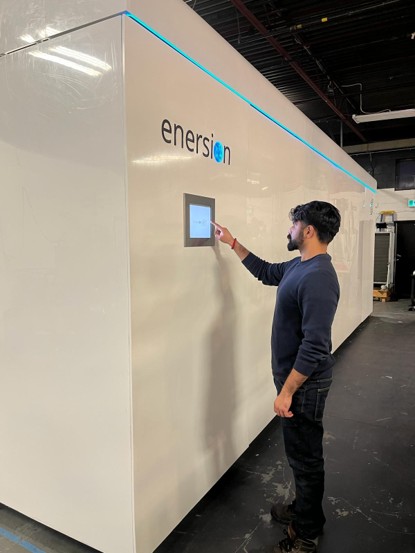
Serenity Power, a finalist of the NGIF Accelerator Cleantech Challenge, is creating innovative fuel cells that are efficient and flexible. These compact systems can run on natural gas, hydrogen, or a mix of both. They are designed to provide dependable power for places like natural gas stations, remote monitoring sites, and other areas where traditional power sources are costly or unreliable. Unlike older generators that run on diesel or thermoelectric units, these new fuel cells produce cleaner energy with less maintenance.
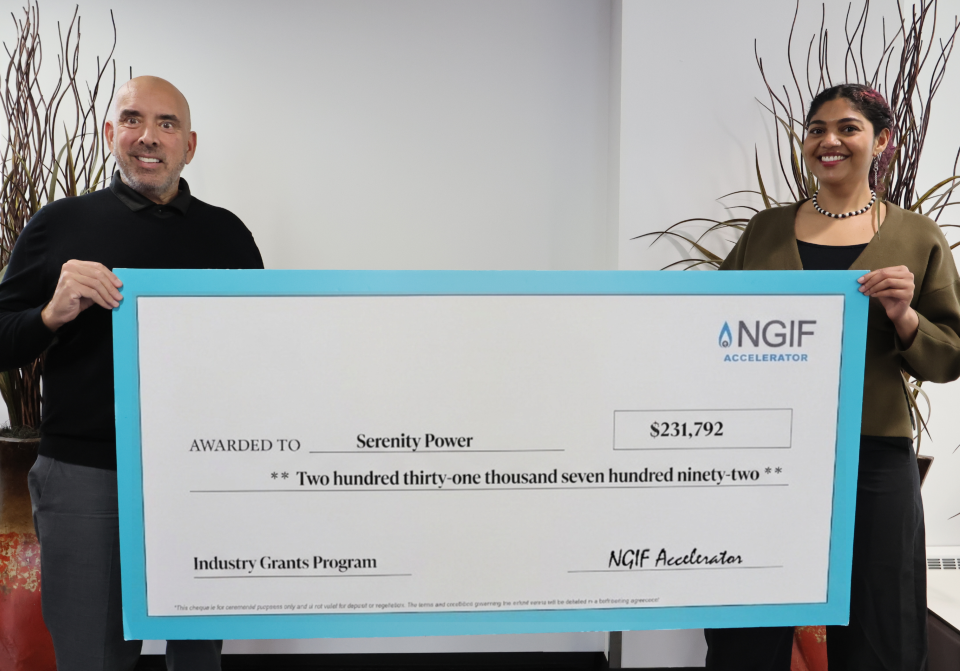
Image: From left, John Adams, President and CEO of NGIF Accelerator, and Aleisha Reese Cerny, CEO and Co-Founder, Serenity Power, at the NGIF Accelerator office in Calgary.
Currently, Serenity Power is building a small 100W prototype, enough to power small equipment on-site. They plan to have this prototype ready within a year. After testing it in real-world conditions in Alberta, Serenity Power will develop larger systems that can produce up to 1kW. These bigger units will be useful for industrial sites, remote communities, and other places that need dependable power without relying on diesel generators.
Looking further ahead, Serenity Power aims to build even larger systems over the next few years, capable of providing power on a scale suitable for utility companies. Their goal is to help reduce emissions, lower operational costs, and modernize energy infrastructure across the industry.
“By supporting the development of Serenity Power’s fuel cells, we are one step closer to increasing the efficiency of power sources used across the natural gas industry,” said John Adams, CEO of NGIF Accelerator. “Through our Industry Grants program, NGIF Accelerator helps de-risk emerging technologies through field trials and pilot projects, accelerating industry validation, customer adoption, and commercialization.”
“NGIF Accelerator has been instrumental in shaping Serenity Power’s direction and impact, connecting us directly with industry leaders, helping us understand customer pain points, and ultimately inspiring our decision to set up operations in Calgary. Their commitment to supporting companies that are reducing emissions has been invaluable as we work to bring cleaner power solutions to the sector,” said Aleisha Cerny, CEO, Serenity Power.
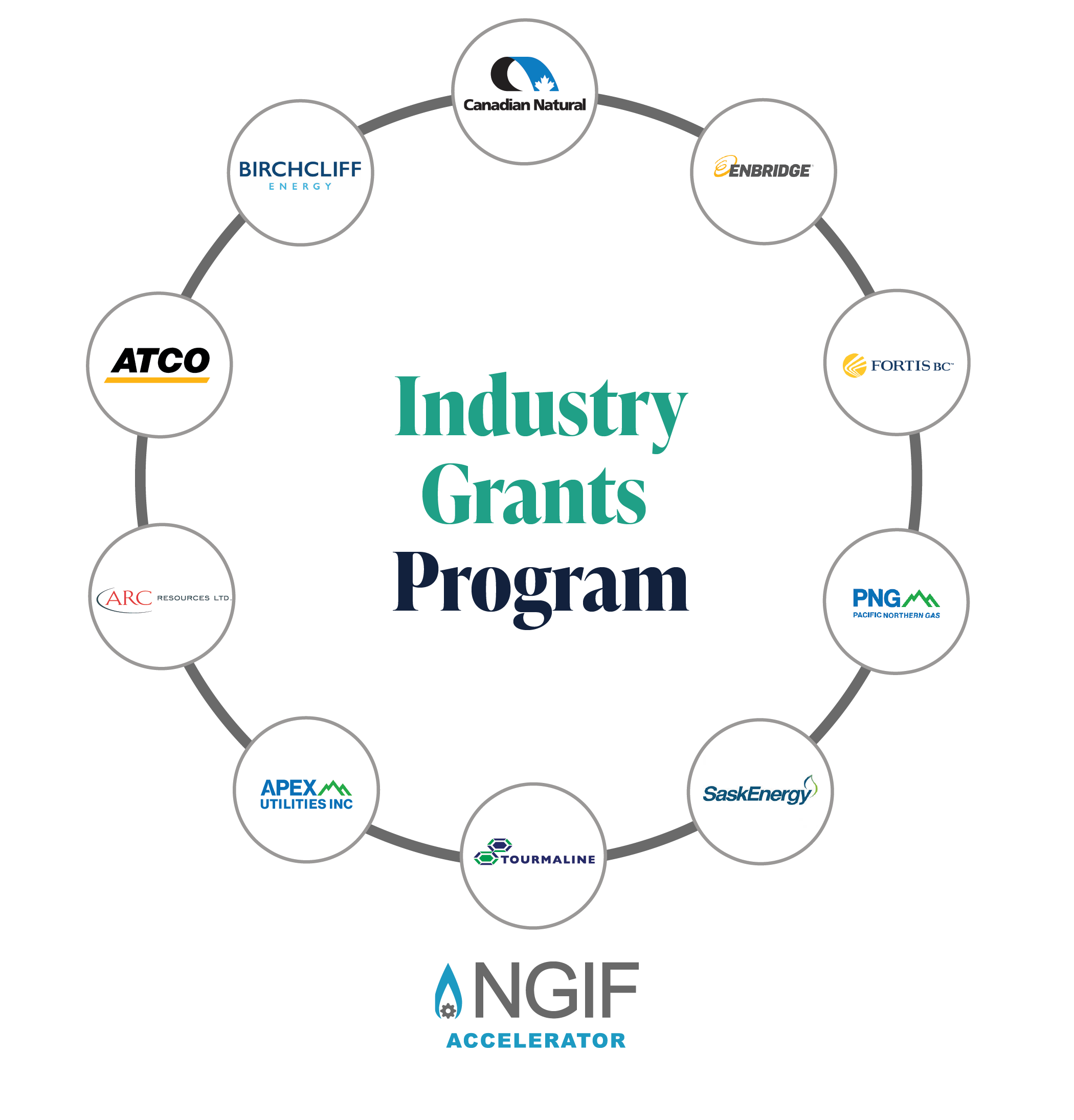
Industry Grants’ Participants and Project Partners
About Industry Grants program The Industry Grants programis an industry-led effort that offers non-dilutive grants to fund early-stage startups for technology development and field demonstration. The program specifically de-risks pre-commercial technology solutions that have the potential to increase the environmental performance of the natural gas sector. Each project in the program will progress through technology readiness levels through controlled pilot testing and field trials to advance commercialization.
About NGIF Accelerator NGIF Accelerator is the not-for-profit arm of NGIF Capital and operates all of the latter organization’s technology and innovation programs. The NGIF Accelerator mandate is to de-risk and accelerate technology development by supporting startups through their pilot projects, field trials, and industry validation. It coordinates with federal and provincial governments to co-fund projects to advance market commercialization. NGIF Accelerator currently operates the Industry Grants program and administers the NGIF Emissions Testing Centre program.
About Serenity Power Inc. Serenity Power is a cleantech startup developing compact, fuel-flexible solid oxide fuel cell systems that deliver high-efficiency clean power for oil & gas, utilities, remote communities, and energy-intensive industries.
Fund Information:
John Adams
President and CEO, NGIF Accelerator President and CEO, NGIF Capital Corporation
At NGIF, we support companies who are leading in the development of clean technologies for energy and who have the potential to demonstrate significant and quantifiable environmental and economic returns.
This disclaimer outlines the limitations of the environmental and emissions performance claims and metrics on this website. While NGIF Accelerator strives to ensure emissions reduction and performance claims are accurate and based on adequate and proper testing, they do not independently verify or endorse the accuracy of all third-party claims or metrics presented.
NGIF Accelerator disclaims any liability for the reliability or completeness of third-party environmental performance claims and metrics, emissions performance statements, representations, or claims made on this website. By engaging with this content, readers acknowledge that NGIF Accelerator is not responsible for any damages or claims resulting from reliance on these emissions performance claims. Visitors are encouraged to verify all claims independently before making decisions based on this website.